
Cultured Ghee vs Sweet Cream Ghee: Taste, Aroma and Health
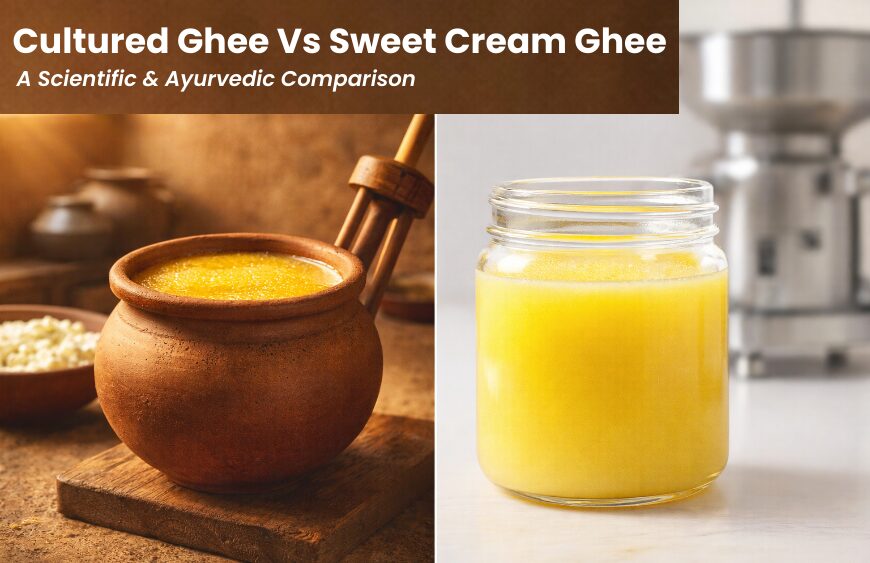
Introduction: Cultured Ghee vs Sweet Cream Ghee
Many people think all ghee looks the same because it has a golden color, smells great when it’s warmed up, and tastes delicious. However, most people assume that every jar of ghee has the same nutritional value and will be good for digestion because they all look alike, but these assumptions ignore a key principle of traditional Indian food science that the way ghee is made affects how it works in your body.
Traditionally, for hundreds of years, Indian families did not just melt butter into ghee. Instead, they followed a multi-stage, fermentation-based process to create ghee by turning milk into curds first, then making butter from the curds, and lastly using the butter as the base for turning into ghee. The biological process that took place over a period of time changed the structure of fats chemically and physically, allowing for better digestibility, increased absorption of flavors, and more therapeutic benefits from the ghee. Industrial processes today do not follow the same steps as traditional methods and produce what is considered clarified butter (or simply ghee) by using fresh cream that was heated without going through the curd and butter steps first.
The difference between cultured ghee and sweet cream ghee is not about traditional versus modern. It is the difference between a metabolically active, digestive-supportive fat and a neutral cooking fat. This difference has an effect on nutrient absorption in your gut, how easily your body can process fats, and how food will taste and smell to you.
This article explains the difference between cultured and sweet cream ghee from a perspective of dairy chemistry, digestive physiology and Ayurvedic principles so that you can choose based on the information rather than making a selection based on marketing alone.
Who This Article Is For
This guide is especially helpful for:
- Families who cook daily with ghee and want to choose the healthiest long-term option.
- Parents who are concerned about the digestion and nutrient absorption of their children.
- People who are experiencing bloating, acidity, or gut discomfort and are looking for fats that are easier to digest.
- Ayurveda practitioners and followers who prefer traditionally prepared, therapeutic foods.
- Health-conscious consumers looking for clarity beyond marketing terms like “pure” or “premium.”
- Fitness enthusiast, or people who want to manage weight and want metabolically supportive fats.
- Consumers who are confused between the bilona ghee, cultured ghee and cream based ghee.
If you see ghee not just as a cooking fat but also as a functional nutrition fat that affects digestion, metabolism, and overall health, this article will help you make a better and informed decision.
Understanding Cultured Ghee: The Fermentation-Based Bilona Process
Cultured ghee is created by a process called the bilona method that begins with whole milk that has been fermented into curd. This simple step impacts how the final product will taste, feel and absorbed by our body.
As soon as fresh milk has been boiled, curd is added to it. The addition of the curd allows for an increase in the beneficial bacteria that is lactic acid bacteria, which will convert the lactose in the milk into lactic acid. This conversion will slowly acidify the milk by elevating the pH level in the milk and breakdown the complex proteins (casein) into much smaller, more digestible pieces. After several hours, the milk has completely transformed into curd and during this transformation a new biochemical environment is formed, new enzymes are activated and a new aromatic compounds is developed naturally, and the milk has developed a softer structure which is much more compatible with human digestive system.
This curd is then churned slowly using the traditional bilona method, which separates butter from buttermilk. The butter obtained at this stage already carries the signature of fermentation. When this butter is slowly heated, the remaining water evaporates and pure golden ghee separates. Because the fat has undergone fermentation before clarification, the final product carries subtle acids, esters and flavor molecules that give it a distinct depth and texture.
The result therefore is not just a clarified fat but a biochemically transformed foodstuff, that the Ayurveda has classifies as easier to digest, nourishing to tissues and support the gut.
Understanding Sweet Cream Ghee: The Industrial Shortcut
Sweet cream ghee uses different process compared to Fermentation-Based Bilona Process. Instead of fermenting milk into curd, modern methods produce sweet cream ghee by separating cream from fresh milk using industrial process and heating it until the butterfat separates.
This method is faster and less expensive than traditional methods which making it much easier to manufacture in large quantities. The primary motivation for using the industrial method is beacuse it takes less time and labour to produce and is the economical choice for manufacturing sweet cream ghee. However, there is an associated nutritional cost with the industrial method as there are no biochemical changes to the lactose and proteins until they are heated.
Sweet cream ghee has the same stability and usability for cooking as cultured ghee, but it lacks the complexity and digestibility of cultured ghee. The flavours of sweet cream ghee are typically milder than the flavours of cultured ghee and the physiological effects of sweet cream ghee are more neutral than those of cultured ghee.
Taste: Why Cultured Ghee Feels Richer and More Satisfying
Taste is not simply about fat content. It is about the small compounds that interact with the human body. During fermentation, bacteria create molecules like diacetyl, short-chain fatty acids and natural esters that produce the warm, nutty fragrance that is traditionally associated with homemade ghee.
When these small compounds are released and combined with high heat, such as in a frying pan, they create an aroma that fills in the kitchen. As a result, the aroma experienced while cooking with ghee (tadka), especially using traditional ghee, fills the kitchen, creating both comfort and excitement.
Sweet cream ghee, that does not goes through the fermentation stage contains fewer aromatic compounds. Its flavor is cleaner but less complex. Many people describe ts taste and texture as simply oily or buttery rather than rich and aromatic like the cultured ghee. While perfectly usable, it does not have the same sensory satisfaction and taste as the cultured ghee.
Therefore, when considering the two types of ghee, cultured ghee typically produces greater sensory experiences while using significantly less to achieve the same flavour intensity.
Digestibility: How Your Stomach Processes Each Type
The digestion process starts right when food enters into your mouth, and carries through the stomach and small intestine. Fats are broken down with the help of bile salts and enzymes, and the ease in which any fat is digested is very dependent on its molecular structure.
In cultured ghee, fermentation has already partially broken down milk proteins and reduced lactose content. This pre-digestion makes the fat easier for gastric enzymes to handle. Many people who experience heaviness or bloating with other fats feels lighter after consuming traditionally made ghee.
On the other hand, due to the fact that sweet cream ghee does not undergo any fermentation process before being consumed, digestion is still possible but will most likely take longer to complete and or may be harder for people with weak digestion.
This difference becomes particularly important for children, the elderly, and people with sensitive guts, where even small improvements in digestibility can significantly improve comfort and nutrient absorption.
Butyric Acid and Gut Health: The Hidden Advantage
Butyric acid, a type of fat found in ghee, is also used as an energy source for cells in the colon. In addition, butyrate has been known to help maintain a healthy intestinal lining by preventing inflammation and fostering a healthy gut flora.
When ghee is fermented, the amount of these types of fats increases because they are produced as a byproduct of bacterial growth. Therefore, cultured ghee typically has enhanced restorative properties. This aligns well with the Ayurveda’s definition of ghee as snehana.
Ghee made from sweet cream also has butyrate, but the ghee made from sweet cream is fermented and there is less availability of butyrate in ghee made from sweet cream. Although both ghee types have very similar chemical structures, how they work in the body will vary based upon fermentation history and will ultimately contribute to digestive health over time.
Ayurvedic Perspective: Why Tradition Prefers Cultured Ghee
According to Ayurveda, the process used to make ghee is much more important than the finished product. Traditional Ayurvedic texts state that food will change its energetic and physical properties because of the way it was created. The classical texts describes the traditionally made ghee as “medhya” (brain nourishing), “rasayana” (rejuvenating) and “deepana” (digestive enhancing).
Sweet cream ghee can be used as a cooking fat and is acceptable for traditional cooking but it does not have the same therapeutic properties as ghee made from the traditional bilona method.
This ancient observation aligns well with the modern science, proving that food becomes more easily to digest and absorbed into the body when fermented.
Comparative Summary
| Characteristic | Cultured Ghee | Sweet Cream Ghee |
|---|---|---|
| Processing | Fermented curd → churned → heated | Cream → direct heating |
| Aroma | Deep, nutty, complex | Mild |
| Digestibility | Excellent | Moderate |
| Gut benefits | High | Moderate |
| Ayurvedic value | Therapeutic | Culinary |
| Flavor intensity | Strong | Neutral |
Choosing Truly Traditional Ghee
If the benefits described in this article matter to you, then the method and the breed of milk both matter.
At Shahji Ghee, we follow the authentic bilona cultured process using milk from indigenous Indian breeds known for their A2 profile and digestive compatibility. Each variant offers a slightly different nutritional emphasis while preserving the benefits of fermentation.
- The A2 Gir Cow Ghee provides a light yet deeply aromatic option ideal for everyday digestive support.
Buy Shahji A2 Gir cow Ghee

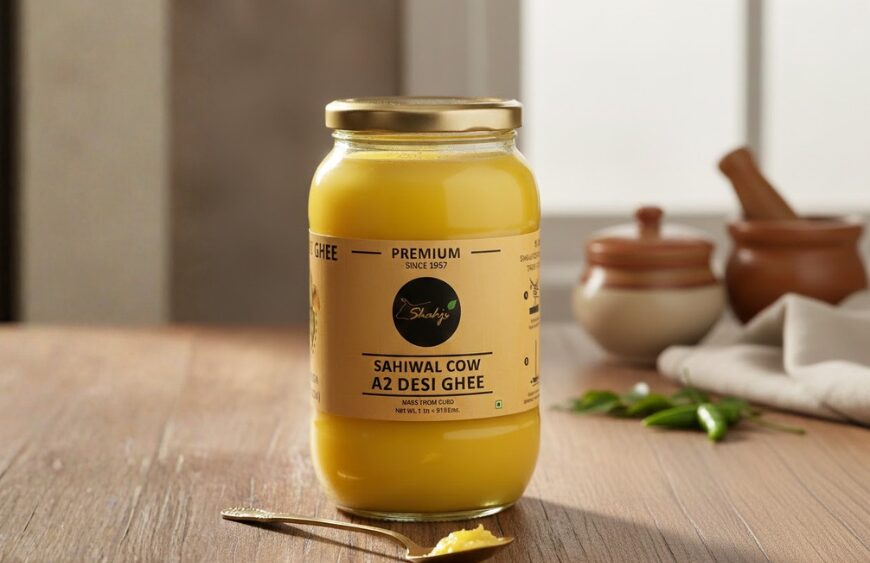
- The A2 Sahiwal Cow Ghee offers balanced nourishment suitable for families and daily cooking.
Buy Shahji A2 Sahiwal Cow Ghee
- The Murrah Buffalo Ghee delivers a creamier, energy-dense fat that supports strength and high caloric needs.
Buy Shahji Murrah Buffalo Ghee

Frequently Asked Questions – FAQs
Is cultured ghee healthier than sweet cream ghee?
Cultured ghee is often considered healthier because it is made using a traditional fermentation process. Milk is first turned into curd, then churned into butter, and finally clarified into ghee. This fermentation step improves digestibility and enhances beneficial fatty acids like butyric acid, which supports gut health.
Sweet cream ghee is made directly from cream without fermentation. While it is still pure ghee and safe for cooking, it may not provide the same digestive and traditional benefits as cultured ghee.
If the goal is better digestion, traditional preparation, and long-term wellness, cultured ghee is generally the preferred option.
Why is cultured (Bilona) ghee more expensive than regular ghee?
Cultured or Bilona ghee requires more time, more milk, and a slower process. The milk must first be fermented into curd, then churned to extract butter, and then slowly heated to make ghee. This traditional method produces a smaller quantity of ghee compared to industrial cream-based methods.
Sweet cream ghee is typically produced in bulk using direct cream separation, which reduces time and cost.
The higher price of cultured ghee reflects its traditional preparation, lower yield, and labor-intensive process – not just branding.
Which ghee is better for digestion and bloating?
Cultured ghee is generally easier to digest because fermentation helps break down certain milk components before the ghee is made. It contains higher levels of butyric acid, a fatty acid known to support intestinal health and reduce gut discomfort.
Sweet cream ghee can still be used safely, but some people with sensitive digestion may find it slightly heavier.
For individuals experiencing bloating, acidity, or weak digestion, cultured ghee is usually the better choice.
How can you identify real cultured ghee?
Authentic cultured ghee clearly states that it is made from curd rather than cream. Labels may mention “Bilona method” or “traditional fermentation process.” It typically has a rich, nutty aroma and a slightly grainy texture when solid.
Sweet cream ghee often has a milder smell and smoother texture.
Reading ingredient details and checking whether the brand explains its preparation method helps in identifying genuine cultured ghee.
Can cultured ghee be used daily?
Yes, cultured ghee can be safely used daily in moderate amounts. It has a high smoke point, making it suitable for cooking, sautéing, frying, and tempering. Because it is easier to digest and nutritionally dense, many families use it regularly in dal, rice, vegetables, and rotis.
As with any fat, portion control is important. When consumed in balanced amounts, cultured ghee can be part of a healthy daily diet.
Further Reading & References
For readers interested in exploring dairy science and nutrition standards in greater depth, the following institutions provide reliable information and research resources:
- Food Safety and Standards Authority of India: https://www.fssai.gov.in
- National Dairy Research Institute: https://www.ndri.res.in
- Indian Council of Agricultural Research: https://icar.org.in
- Food and Agriculture Organization (Milk Fat Studies): https://www.fao.org
Conclusion
In the end, the difference between cultured ghee and sweet cream ghee is biochemical. One undergoes a slow natural transformation that enhances aroma, digestibility and therapeutic value. The other is a faster, simplified product designed for efficiency.
If you are looking for convenience only, then any of them will work. But if you are looking for nourishment that supports digestion, gut health and traditional wisdom cultured ghee will be the best option.
Written by & Updated
Written by: Shahji Ghee Knowledge Team
Last Updated: February, 2026
Related Articles

Bilona vs Cream Method: What Truly Changes in Your Ghee?

Ghee Making Process: Step-by-Step Guide to Pure Ghee

What is the Bilona Method? Traditional Bilona Ghee Process Explained