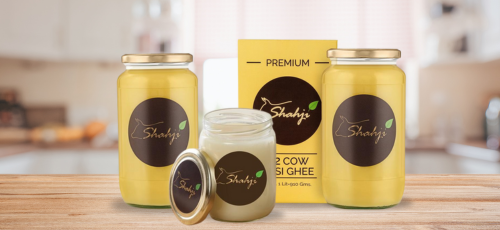
Best Ways to Use Ghee in Daily Indian Cooking (Breakfast, Lunch, Dinner)
Introduction: Why Ghee Deserves a Structured Place in Daily Cooking
In India, ghee is more than a cooking fat. It is an essential part of culinary practices, enhances digestion, carries fat-soluble nutrients and used as a therapeutic food in many traditions. Still the usage of ghee varies from family to family, some people use it only in festive dishes, some avoid it entirely because of outdated fears and some people use it generously but without knowing that how timing, method, and portion influence its benefits.
The best methods for using ghee on a daily basis depends not jus on the taste preferences it includes other factors also like digestion, metabolism, cooking temperature, meal composition, and even the time of day. A teaspoon of ghee in the morning may work differently on the body than the same amount of ghee consumed late at night. Ghee added during the preparation of food behaves differently than the ghee added at the end as a drizzle.
In this article, you will understand how you can incorporate ghee in daily Indian cooking using a combination of nutritional biochemistry, digestive physiology and traditional Indian food science so that you can make informed choices that supports both flavor and long term health.
Who Is This Article For
This guide will be helpful for:
- Families who cook Indian meals daily and want proper guidance on how to use ghee correctly.
- Parents who want to ensure that their children are getting enough fat intake.
- People who are experiencing bloating, acidity, or weak digestion.
- Fitness-conscious individuals who want to include healthy fats without overeating.
- Home cooks who want to shift from refined oils to traditional fats.
- Ayurveda followers who want practical daily application rather than theory.
- Health-conscious consumers who want clarity rather than just a general advice like “use in moderation.”
Understanding Ghee’s Nutritional and Functional Role
It is important to understand the role of ghee in body before discussing the specific meal.
Ghee is primarily composed of saturated and monounsaturated fats as well as short- and medium-chain fatty acids. One of the most talked about compounds in ghee is butyric acid which helps to maintain the intestinal lining and act as an energy source for colon cells. Also, ghee also contains fat-soluble vitamins like vitamin A, D, E and K.
Unlike many refined oils, ghee has a very high smoke point and remains stable while cooking on high heat. Stability is an important factor because overheated oil can oxidize and form harmful compounds. Ghee’s stability makes it suitable for sautéing, tempering (tadka), and deep frying.
From a digestive perspective, moderate amounts of ghee contribute to stimulating bile flow which helps in the breakdown of fats for improved nutrient absorption. that is why small amount of ghee is added to the foods like rice, dal or khichdi rather that eating it alone.
Best Ways to Use Ghee in Daily Indian Cooking
Best Ways to Use Ghee at Breakfast
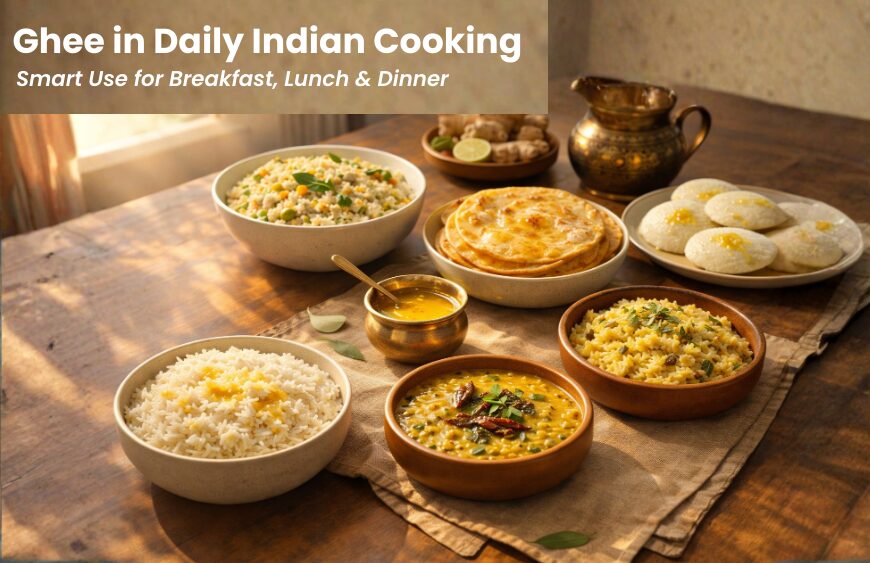
Your breakfast can affect your energy stability throughout the morning. The best breakfasts will support your digestion, provide steady glucose supplies, and not make you feel heavy. When properly added to foods, ghee can promote enhance the flavor of food, and helps digestive enzyme function.
Three breakfast recipes are presented below where ghee has a functional rather than additive role.
1. Vegetable Upma
Upma is a carbohydrate-rich food. Adding ghee to it reduces dryness, enhances flavour, and slightly slows carbohydrate absorption, helping avoid mid-morning energy crashes.
Ingredients (Serves 2)
- 1 cup semolina (suji)
- 2 teaspoons ghee
- 1 teaspoon mustard seeds
- 1 teaspoon cumin seeds
- 8–10 curry leaves
- 1 small chopped onion
- 1 small carrot (finely chopped)
- 2 tablespoons peas
- 2½ cups hot water
- Salt to taste
- Fresh coriander
Step-by-Step Preparation
- Dry roast semolina on low flame until lightly aromatic. Remove and set aside.
- In the same pan, add 1 teaspoon ghee and heat gently.
- Add mustard seeds and cumin. Allow them to crackle.
- Add curry leaves, onions, carrots, and peas. Sauté lightly.
- Add hot water and salt. Bring to boil.
- Gradually add roasted semolina while stirring continuously.
- Cook until thickened and soft.
- Turn off heat and add the remaining 1 teaspoon of ghee.
- Mix gently and cover for 2 minutes before serving.
2. Ghee Paratha
Why This Works
A perfectly made ghee paratha provides energy and improved satiety. When ghee is layered inside the dough instead of excessively applied on the surface, it enhances softness and flavor without making the paratha over greasy. Proper portion control ensures nourishment without heaviness.
Ingredients (Serves 2-3)
- 2 cups whole wheat flour
- Water as needed
- 3-4 teaspoons ghee
- Salt as per taste
Step-by-Step Preparation
- Knead flour with water into a soft dough, then let it rest for 15-20 minutes.
- Take a small portion from the dough and roll it into a round disc.
- Spread a thin layer of ghee then fold into half, apply the ghee again and then fold into a triangle.
- Roll gently into a medium-thick paratha.
- Cook it on a hot tawa. Apply small amounts of ghee on both sides while cooking.
- Cook the paratha until golden brown spots appear.
3. Idli with Warm Ghee Drizzle
Why This Works
Idli is a fermented food that helps with the gut health. Adding a small amount of ghee will increase satiety and enhance flovours.
Ingredients
- 2 cups idli batter (fermented)
- 2 teaspoons warm ghee
- Step-by-Step Preparation
- Steam idli for 10 to 12 minutes.
- Take idli out of steamer and allow to cool slightly.
- Drizzle 1/2 tsp. of ghee over each idli before serving.
This small addition will enhance the flavour of idli without adding any heaviness.
Best Ways to Use Ghee at Lunch
Lunch is the strongest digestive window of the day. Proper ghee usage at this time enhances nutrient absorption and meal satisfaction.
1. Moong Dal Tadka Using Ghee
Why this works
The fat-soluble vitamins from the lentils and spices will be absorbed more completely when ghee is added.
Ingredients
- 1 cup split yellow moong dal
- 3 cups water
- 1½ teaspoons ghee
- 1 teaspoon cumin seeds
- 2 crushed garlic cloves
- Pinch asafoetida
- 1 dried red chili
- Salt and turmeric
Step-by-Step Preparation
- Wash dal and pressure cook with water turmeric, and salt.
- Heat the ghee in another pan.
- Add the cumin seeds, garlic, asafoetida and dried chili.
- Wait until the spices give off their aroma.
- Immediately pour it over cooked dal.
- Cover for 1 minute before mixing.
This ghee tadka improves both flavor and digestive stimulation.
2. Steamed Rice
Why This Works
A small amount of ghee reduces stickiness and enhances flavour and improves nutrient absorption.
Ingredients
- 1 cup rice
- 2 cups water
- 1 teaspoon ghee
Step by Step Preparation
- Cook rice until soft.
- While hot, add 1 teaspoon ghee.
- Mix gently to distribute evenly.
Serve with dal or vegetables, this will give you a well rounded macronutrient profile.
3. Ghee-Sautéed Seasonal Vegetables
Why This Works
Fat soluble vitamins in vegetables are better absorbed with the healthy fats.
Ingredients
- 2 cups chopped seasonal vegetables
- 1½ teaspoons ghee
- 1 teaspoon cumin
- Salt and turmeric
Step by Step Preparation
- Heat the ghee gently.
- Add cumin to it.
- Add vegetables and spices.
- Cook on medium flame.
- Avoid excessive browning.
Moderate heat preserves both nutrients and ghee stability.
Best Ways to Use Ghee at Dinner
Dinner should be lighter, calming, and easy to digest. Ghee should be used in moderation at night.
1. Moong Dal Khichdi with Ghee
Why This Works
Khichdi is light and easy to digest. Ghee improves nutrient absorption.
Ingredients
- ½ cup rice
- ½ cup moong dal
- 3 cups water
- 1 teaspoon turmeric
- 2 teaspoons ghee
- 1 teaspoon cumin
- Salt as per taste
Step by Step Preparation
- Wash rice and dal.
- Pressure cook them with turmeric, salt and water.
- Heat 1 teaspoon ghee with cumin.
- Pour tempering over khichdi.
- Add remaining teaspoon ghee before serving.
- This balance prevents heaviness and makes you feel lighter.
- Light Vegetable Soup
Ingredients
- 2 cups mixed vegetables
- 3 cups water
- 1 teaspoon ghee
- Pepper and salt
Step by Step Preparation
- Boil vegetables until soft.
- Blend the boiled vegetables.
- Heat ghee in a pan with pinch cumin.
- Add soup to the pan and stir well.
This adds richness without excess fat load.
3. Soft Chapati with Ghee and Steamed Sabzi
Dinner rotis can have very light ghee, depending on digestion strength.
When to Add Ghee During Cooking
The timing of adding ghee affects both flavor and health impact.
Adding ghee at the beginning of your cooking then will give all of the wonderful flavours that come from cooking with this ingredient. When added at the end it will a authentic aroma and taste.
Portion Control: How Much Ghee Per Day?
For most adults, one to two teaspoons per meal is suitable, depending on activity level and total fat intake. Excess consumption can contribute to calorie surplus.
Children and active individuals may tolerate slightly higher amount of ghee, but balance remains essential.
Choosing the Right Ghee for Daily Cooking
Not all ghee performs equally in daily cooking. Traditionally prepared, cultured ghee offers deeper aroma and may support better digestion due to fermentation-based processing.
If your goal is daily use across breakfast, lunch, and dinner, selecting a high-quality, traditionally prepared ghee ensures consistency in both taste and nutritional value. The process behind the ghee matters as much as the ingredient itself.
- A2 Gir Cow Ghee – Rich golden ghee with a strong traditional aroma and deep nutty flavor, ideal for enhancing dal, parathas, and everyday meals.
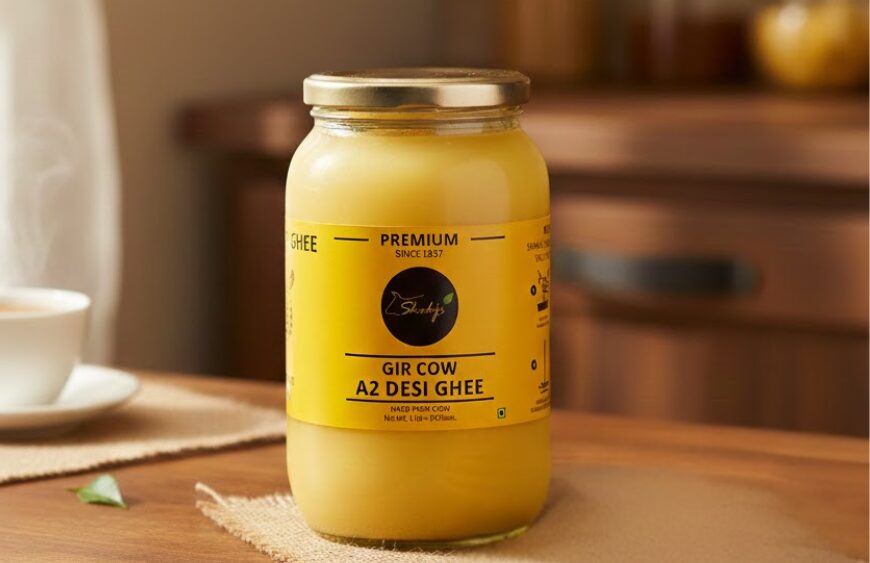
Buy Shahji A2 Gir Cow Ghee
- A2 Sahiwal Cow Ghee – Smooth, balanced, and versatile ghee with a mild richness suited for regular breakfast, lunch, and light dinner cooking.
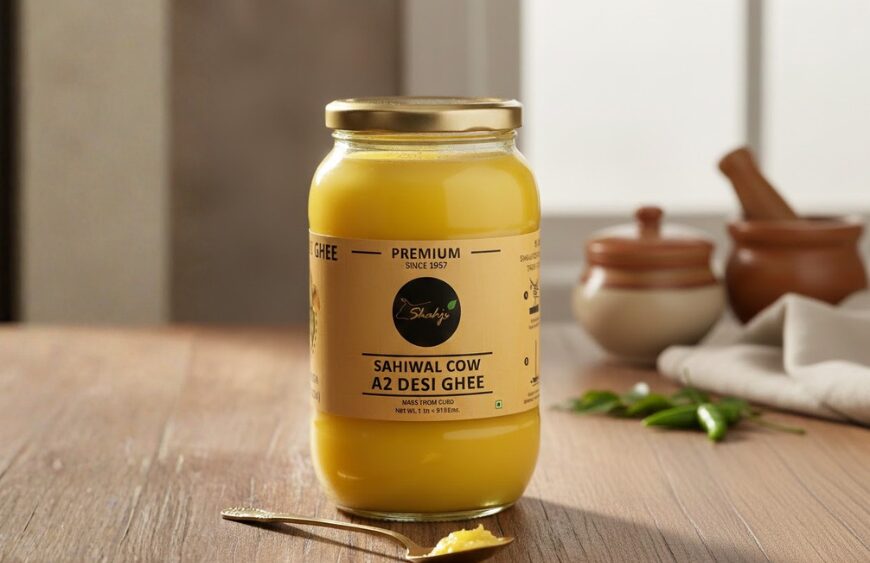
Buy Shahji A2 Sahiwal Cow Ghee
- Murrah Buffalo Ghee – Creamier and fuller-bodied ghee with thicker texture, perfect for richer dishes and those who prefer a denser mouthfeel.
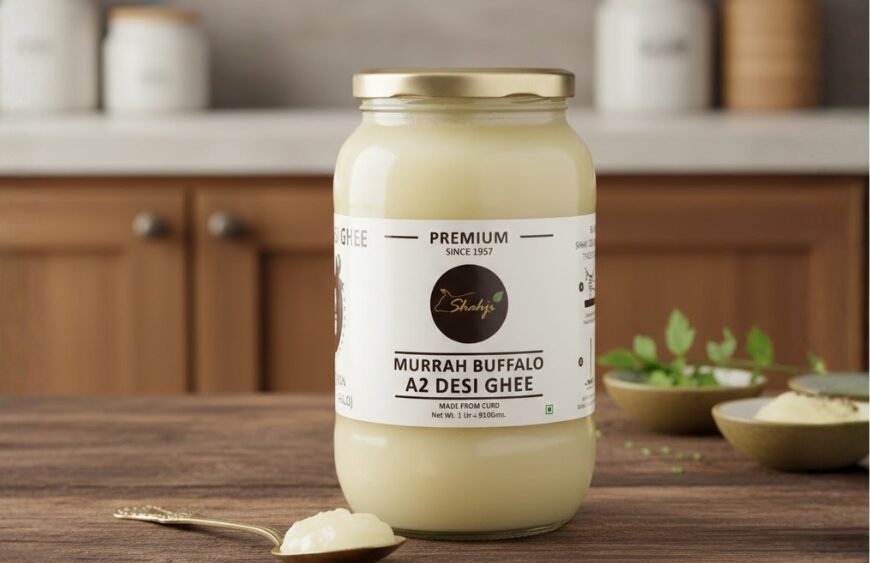
Buy Shahji Murrah Buffalo Ghee
Frequently Asked Questions – FAQs
Can I use ghee every day in Indian cooking?
Yes, ghee can be used daily when consumed in moderate amounts. In most Indian households, ghee is already part of regular meals like dal, rice, roti, and khichdi. The key is not to overuse it. A small amount in each meal is enough to enhance flavor and support digestion without making the food too heavy.
Will using ghee regularly cause weight gain?
Ghee itself does not automatically cause weight gain. Weight gain happens when total calorie intake exceeds what the body burns. Ghee is calorie-dense, so portion control is important.
Many people actually find that adding a small amount of ghee makes meals more satisfying. This can reduce overeating and unnecessary snacking later in the day. The focus should be on controlled usage rather than complete avoidance.
Is ghee better than refined oil for daily cooking?
Many families prefer ghee over refined oils because it is more stable at high cooking temperatures. It has a high smoke point, which means it does not break down easily when heated for tadka or sautéing.
Refined oils often go through heavy processing. Good-quality ghee, especially traditionally prepared ghee, is minimally processed and contains natural fat-soluble vitamins.
When is the best time to use ghee – breakfast, lunch, or dinner?
Ghee can be used in all three meals, but the quantity may vary. Breakfast and lunch are usually better times to use slightly more ghee because digestion is stronger during the day. At dinner, lighter portions are generally more comfortable.
How much ghee should I use in one meal?
For most adults, 1 to 2 teaspoons per meal is usually enough. This amount enhances flavor and supports digestion without making the meal overly rich.
Children, athletes, or physically active individuals may tolerate slightly higher amounts. People with sedentary lifestyles may prefer smaller portions.
The goal is coating and enhancing the dish, not making it oily. Using ghee wisely gives better results than using it excessively.
Further Reading & References
For readers who wish to explore food science and dairy nutrition further:
- Food Safety and Standards Authority of India: https://www.fssai.gov.in
- National Dairy Research Institute: https://www.ndri.res.in
- Indian Council of Agricultural Research: https://icar.org.in
- Food and Agriculture Organization: https://www.fao.org
Conclusion
The most effective uses of ghee in daily Indian cooking is not about excess or avoidance. It is about the timing, amount used, and sharing it as a cooking method. When it is used correctly at breakfast, lunch and dinner, ghee can enhance flavor, support digestion, and contribute to nutrient absorption.
Understanding how and when to use ghee can make it a functional part of daily nutrition rather than jus a simple cooking fat.
Related Articles

Ghee in Regional Indian Cuisines: North, South, East and West

Ghee Halwa with Shahji Ghee: Rich Taste & Tradition

Ghee Popcorn: A Healthy Snacking with Shahji Ghee

Ghee Roast Made Better with Shahji Ghee

Spiced Ghee: How to Make This Ayurvedic Superfood at Home