Common Types of Ghee Adulteration in India and How to Avoid Them
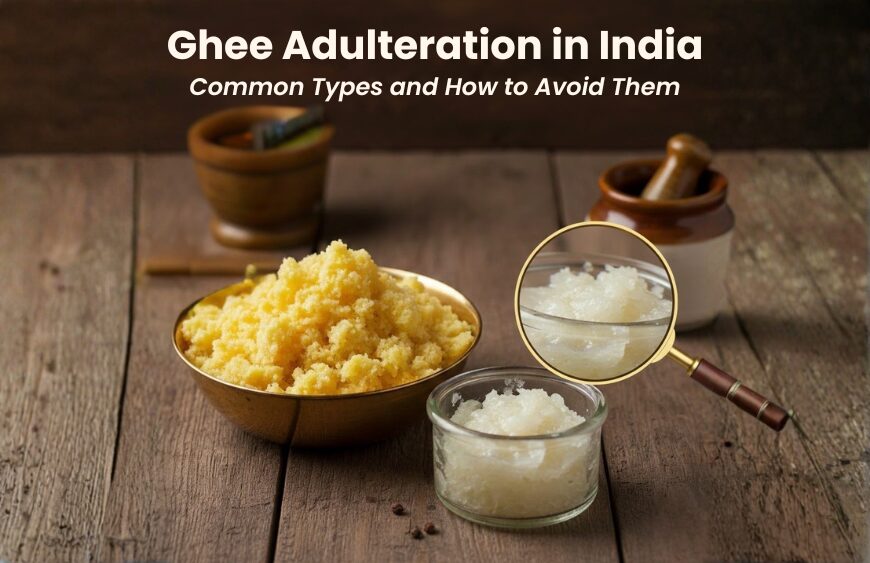
Ghee Adulteration in India is very common
In India, Ghee is more than just a cooking ingredient , it is a symbol of purity, a staple in Indian balanced diet, and a important element which is required in our all religious rituals. However, the rising demand for “Desi Ghee” , “Pure ghee“ or “Pure cow ghee” “A2 ghee” is leading to increased price of pure A2 milk,
This resulted in fake and adulterated ghee being flooded in the market .
According to many food safety reports, a significant percentage of ghee which is sold loose in the market and even some packaged brands does not meet the standards of the FSSAI (Food Safety and Standards Authority of India).
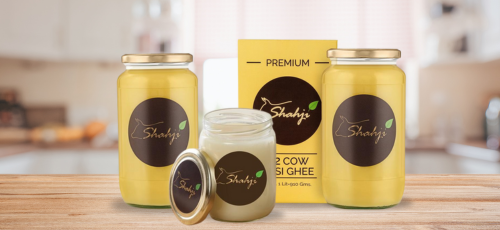
Here comes the difference ,When you buy a jar of Shahji A2 Pure Cow Ghee – you are paying for your health, but when you unknowingly buy adulterated ghee, you are paying for slow poison.
In this guide, we will empower you with the knowledge to protect your family health.
The Economic point : Why Ghee is being Adulterated?
To understand adulteration, we must look at basic making process of Pure A2 ghee. It takes 25–30 liters of A2 milk to produce 1 kg of Pure A2 ghee. As milk prices are soaring continuously , implies that the cost of raw materials alone makes pure A2 ghee expensive.
Adulterators exploit this by mixing pure ghee with cheap fillers to gain maximum profits. By replacing even 30% of ghee with vegetable oil or starch, manufacturers can double their profit margins. Fillers are made using harmful chemicals that help it look, smell, and even taste like ghee.
Common Types of Ghee Adulterants in India
Vanaspati and Hydrogenated Fats
This is the most common adulterant. Vanaspati (Dalda) is made by hydrogenating vegetable oils. It has a similar grainy (danedaar) texture and have same melting point like ghee.
- Side effect : Vanaspati is loaded with Trans-fats, which are the leading cause of heart disease, clogged arteries, and increased LDL (bad) cholesterol.
Animal Body Fats (Lard and Tallow)
Worst adulteration method as this is both of a health hazard and a violation of religious sentiments. Some unethical producers mix ghee with processed animal fats like beef tallow or pig lard
These fats are often sourced from unregulated slaughterhouses and carry high risk of bacterial contamination and heavy metal toxicity.
Starch, Mashed Potatoes, and Sweet Potatoes
Simple starches are added to increase the weight and volume of the ghee
While mashed potatoes are not toxic but they significantly lower the nutritional value of the ghee and can cause the product to go rancid quickly which can leading to food poisoning.
Coal Tar Dyes and Synthetic Colors
Pure cow ghee has a natural golden color because of Beta-carotene in it. Adulterators use cheap coal tar dyes or “Sunset Yellow” chemicals to give buffalo ghee or vegetable oil look of pure cow ghee .
- The Danger: Many of these synthetic dyes are carcinogenic (cancer-causing) and are banned for use in food products.
Synthetic Aromas
Have you ever opened a jar of ghee that smells too much like ghee? It is because synthetic aroma is being used in it. These are lab-created chemicals that matches the nutty aroma of Bilona ghee used to mask the smell of stale oil or animal fat.
Impact on Health : What Adulterated Ghee Does to Your Body
- Gut Inflammation: Synthetic dyes and rancid oils irritate the gut lining which leads to IBS and Leaky Gut. As these fillers are difficult for the human gut to process it ferments in the digestive tract results in chronic bloating, acidity, and “Leaky Gut” syndrome, where toxins leak into your bloodstream.
- Heart Disease: The most common adulterant that is Vanaspati (trans-fats), is the primary enemy of heart health. Unlike the healthy MCFAs in pure ghee that burn for energy, trans-fats are sticky. they cling to arterial walls in your which result into clogged arteries, high blood pressure, and a significant increased risk of heart attacks. Trans-fats from Vanaspati increase the risk of heart attacks by 21%.
- Hormonal Imbalance: Synthetic fragrances used for aroma are lab-made chemicals that can disturb the endocrine system. Long-term consumption can lead to hormonal imbalances, affecting everything from your mood to your reproductive health.
- Obesity: Unlike the MCFAs in A2 ghee that burn for energy, the long-chain fats in vegetable oils are immediately stored in body results in stubborn belly fat.
- Toxic load: To make buffalo ghee or vegetable oil look like premium cow ghee, “Coal Tar Dyes” and synthetic colors are often added. These chemicals are carcinogenic (cancer-causing) and can cause severe damage to the liver and kidneys as body struggles to filter out these non-food substances.
Where as A2 ghee works as a medicine, adulterated ghee works like slow poison.
How to Read a Ghee Label Like a Pro
Don’t get fooled by pictures of happy cows. Instead ,look at the print label to find the truth:
| What to Look For | Why It Matters the most |
| “A2” Label | Ensures the milk is from indigenous breeds as they only give A2 milk , not hybrid A1 cows. |
| Bilona Churned | Guarantees the ghee was made from curd, not industrial method from cream. |
| No Preservatives | Pure ghee has shelf-life of 12+ months so it doesn’t need chemicals |
| Glass Packaging | Cheap Plastic contain harmful BPA , but glass preserves the “Ojas.” |
| Batch Traceability | Can the brand tell you which farm the milk came from? Shahji ghee have their own Cow farms. |
Why Shahji A2 Ghee is the Safe Choice ?
Shahji Ghee stands on the pillar of transparency and purity . We resist adulteration in three ways:
- Direct Sourcing: We source milk only from our own A2 cow farms, it eliminates middlemen so no chances of dilution in milk is left.
- Small Batch Production: Our ghee is made using the Bilona method and production is done in small batches we also inspect every single batch for its texture and aroma.
- Lab Certification: Every jar of Shahji Ghee is tested for its purity standards which ensures zero traces of Vanaspati, starch, or synthetic colors.
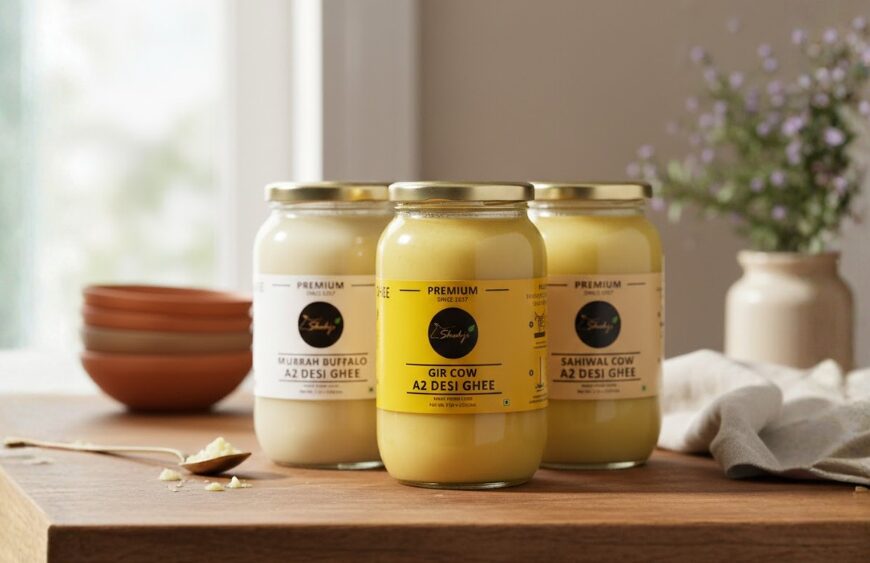
Choose Lab-Tested Pure Ghee from Shahji
- A2 Gir Cow Ghee
Made from grass-fed Gir cows, rich in beta-carotene and naturally golden. Ideal for digestion, immunity, and Ayurvedic use.
https://shahjighee.com/product/a2-gir-cow-ghee/ - A2 Sahiwal Cow Ghee
Prepared from high-fat Sahiwal cow milk using the slow Bilona process. Known for balanced nutrition, mild aroma, and daily cooking.
https://shahjighee.com/product/a2-cow-ghee - Murrah Buffalo Ghee
Dense, white, and energy-rich ghee sourced from Murrah buffalo milk. Excellent for strength, weight gain, and traditional cooking.
https://shahjighee.com/product/buffalo-ghee
How to check my ghee is pure?
Is this question always come in your mind , Here’s the answer :
The simple and easiest way to check is if your ghee pure at home is the Palm Test. Place a teaspoon of ghee on your palm and if it start melting after coming in contact with your skin’s warmth, it means it is pure.
How to Check Ghee at Home : 7 DIY Purity Tests
You don’t need a laboratory to identify any low quality ghee. Here are 7 easy ways to test the purity of ghee in your kitchen:
Test 1: The Palm Test (Melting Point)
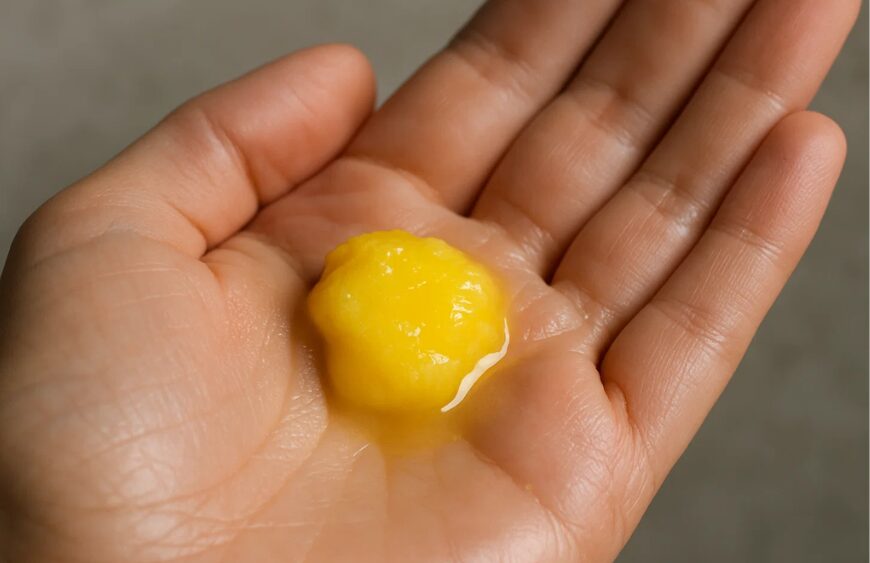
Pure Desi Ghee has a melting point close to human body temperature (approx. 37°C).
- The Method: Put a teaspoon of ghee on your palm.
- The Result: If it melts instantly, it is pure. If it stays solid or takes time to melt, it is likely mixed with Vanaspati or animal fat.
Test 2: The Heat Test (Color Change)
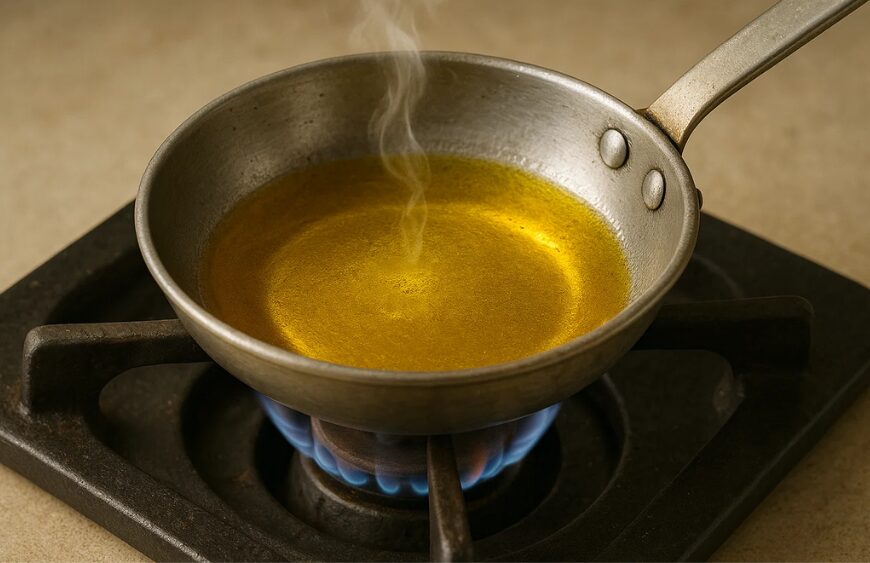
- The Method: Heat a tablespoon of ghee in a clear pan. pure desi ghee has a melting point and it
- The Result: Pure ghee will melt immediately and turn dark brownish in color on high heat flame. If it takes time to melt and turns yellow or blue it mean it is adulterated.
Test 3: The Iodine Test (For Starch)
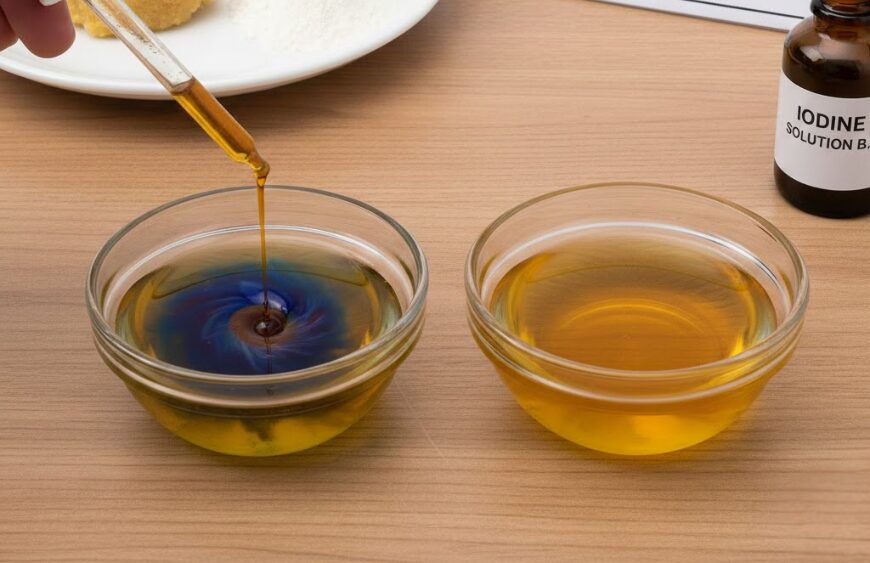
- The Method: Add a few drops of Iodine solution (available in all pharmacies) to a small amount of melted ghee.
- The Result: If the ghee turns blue/purple, it contains starch (mashed potatoes or flour). If the color stays the same, it is starch-free.
Test 4: The HCl + Sugar Test (For Vanaspati/Sesame Oil)
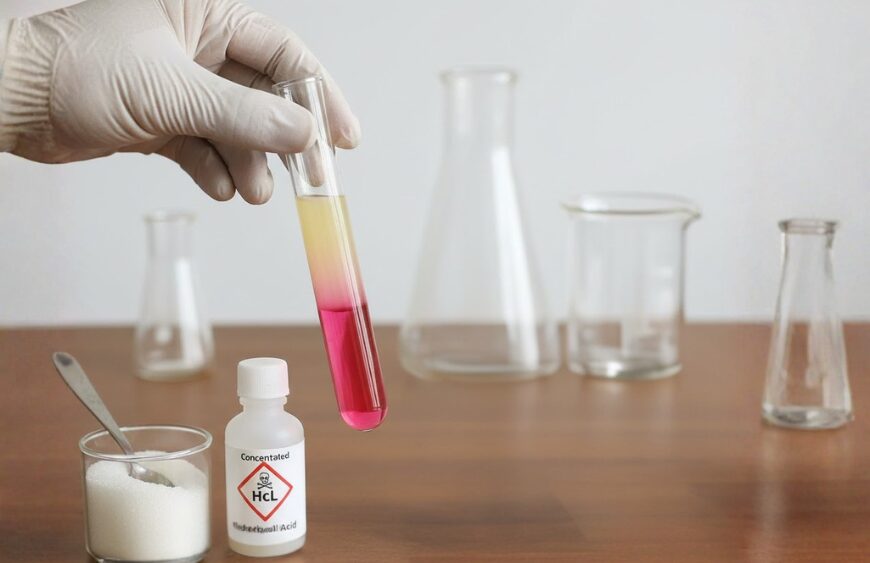
- The Method: Take a teaspoon of melted ghee in a test tube, add a pinch of sugar, and 5ml of concentrated Hydrochloric Acid (HCl). Shake well.
- The Result: If a red pr pink color appears in the lower layer, this means it contains Vanaspati or sesame oil. This is known as the Baudouin Test.
Test 5: The Double Boiler Test (For Added Oils)
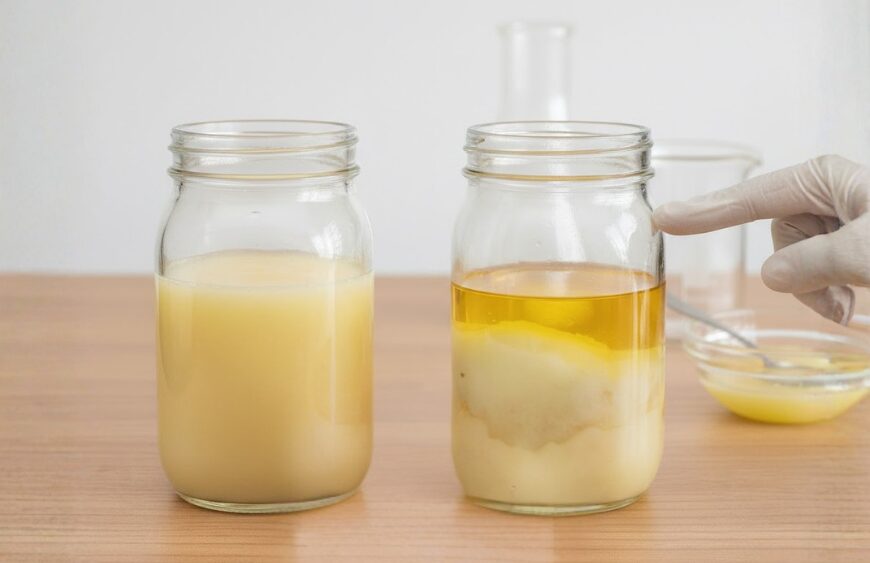
- The Method: Melt the ghee and pour it into a glass jar. Place the jar in the fridge until it solidifies.
- The Result: Pure ghee will solidify as one uniform layer. If there are separate layers of oil and solids in same freeze temperature , it indicates the presence of different types of oils with different freezing points.
Test 6: The Flame Test
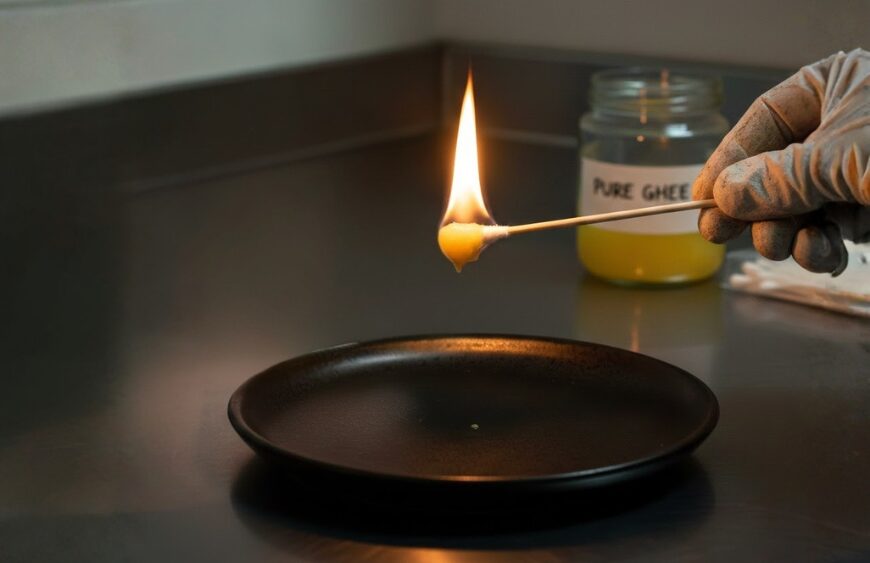
- The Method: Dip a cotton wick in ghee and light it.
- The Result: Pure ghee burns with a steady flame and no sound. If it splutters or crackles, it contains moisture or impurities.
Test 7: The Solubility Test
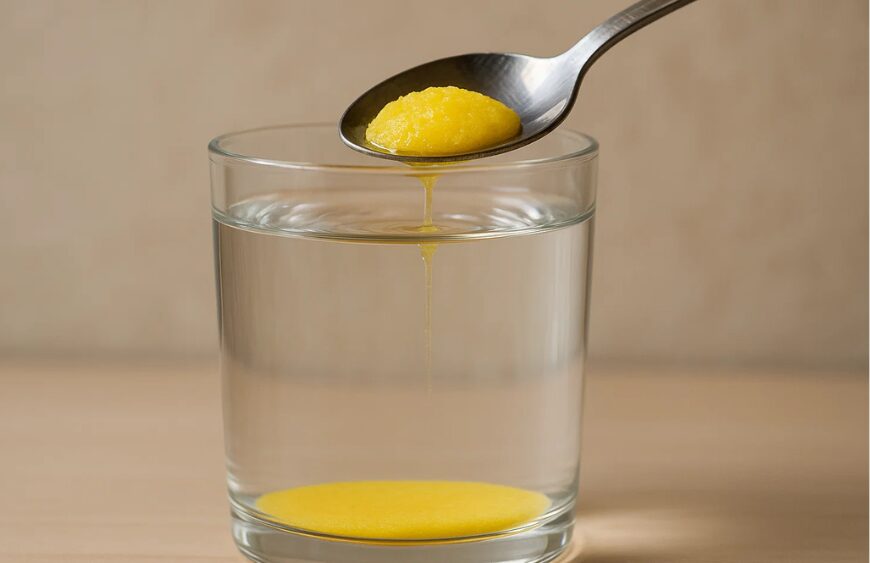
- The Method: Add a spoonful of ghee to a glass of warm water.
- The Result: Pure ghee will melt and float as a clear layer. Adulterated ghee may leave cloudy residues or particles at the bottom.
Sometimes , During transportation Ghee is kept in different temperature so one need to keep it in stable temperature for 1-2 days to normalise it consistency.
Frequently Asked Questions – FAQs
Why does my ghee look white sometimes?
Pure buffalo ghee is naturally white. However, if your “Cow Ghee” is white, it might be buffalo ghee dyed with chemicals or mixed with vegetable fat. Cow ghee should always be golden-yellow in color.
Does granular (danedaar) texture mean the ghee is pure?
Not necessarily. While pure Bilona ghee is naturally granular, adulterators can copy this texture using hydrogenated oils. Always use the Palm Test in combination with the texture test.
Can pure ghee get spoiled?
Yes,it can. Pure ghee has almost zero moisture which makes it stable for longer period of time. It will only get spoiled or rancid if it will come in contact with moisture even through a wet spoon.
Don’t Compromise with your Health
Ghee is not just an ordinary ingredient but an important investment for your and your family health. When you choose a cheaper, adulterated version, you aren’t saving money—you are increasing your health risk and future medical bills.
By choosing Shahji A2 Pure Cow Ghee, we assure that you are getting the pure desi ghee for you and your family. Stay vigilant, test your ghee, and prioritize purity over price.
Further Reading & References
Food Safety and Standards Authority of India (FSSAI)
Scientific dairy research & milk fat composition
Indian Council of Medical Research (ICMR)
Health impact of trans-fats & synthetic additives
Written by & Updated
Written by: Shahji Ghee Knowledge Team
Last Updated: January, 2026
Related Articles

How to Store Ghee in Indian Weather: Shelf Life, Containers and Do’s & Don’ts

Anveshan vs Barosi vs Shahji Ghee – Detailed Comparison Guide

Two Brothers vs Barosi vs Shahji Ghee – Which A2 Ghee Stands Out?

Amul Vs. Mother Dairy Vs. Shahji Ghee: Which Ghee is Best?
Barosi Vs Kapiva Vs Shahji Ghee – Which One to Choose?