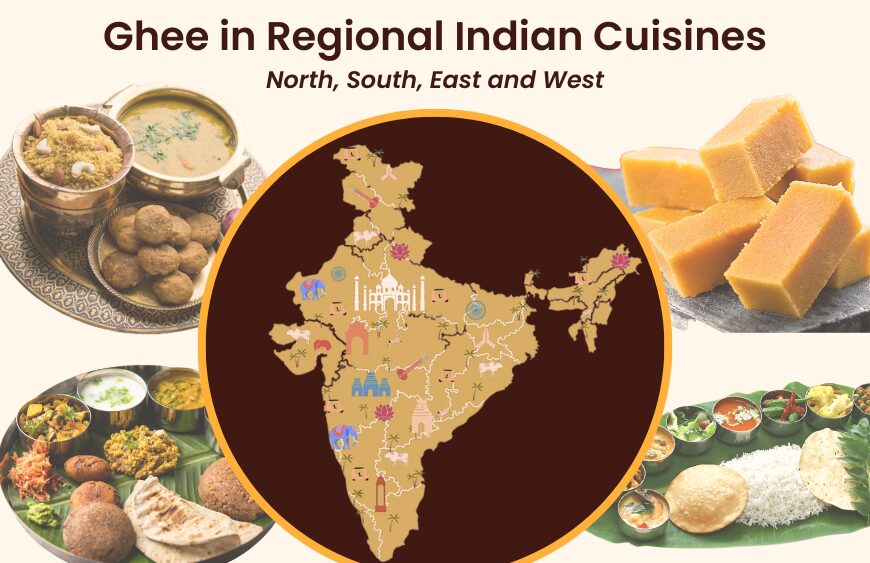
Ghee in Regional Indian Cuisines: North, South, East and West
Introduction
Ghee is much more than just a cooking fat in India—it serves as a cultural touchstone among many different regional cuisines that span broad geographic distances as well as differences in climate and traditions. let’s explore the traditional dishes and usage of ghee in regional Indian Cuisines.
From North India’s wheat-based comfort foods, to South India’s fermented rice dishes, from Eastern India’s delicate sweets, to Western India’s spice-forward meals, ghee adapts—yet never loses its identity.
In this article you will explore:
- The various uses of ghee throughout the India.
- What kind of ghee works best in which type of cuisine.
- How modern households can apply this knowledge practically in cooking.
This is a component of the Shahji Desi Ghee Knowledge Base, created to guide people to distinguish between the truths of culinary practice as opposed to marketing lies regarding culinary practice.
Who This Article is For
This article is written for:
- Indian households looking for the right ghee for daily cooking.
- Home cooks who want to understand why recipes use ghee differently.
- Health-conscious buyers confused between A2 cow, Sahiwal, Gir, and buffalo ghee.
- Food historians and chefs exploring the authenticity of dishes from different areas of India.
- Consumers who want to buy ghee with cultural and nutritional clarity.
Regional Cuisine and its Influence on Ghee Usage
Indian Cooking has developed over three main environmental influences:
- Location & Climate
- Types of grains
- Digestive traditions (Agni concept in Ayurveda)
| Region | Climate | Primary Grains | Ghee Role |
|---|---|---|---|
| North | Cold to extreme | Wheat | Warmth, nourishment |
| South | Hot & humid | Rice | Digestibility & aroma |
| East | Humid, sweet palate | Rice | Texture & sweetness |
| West | Dry & varied | Wheat + millets | Stability & satiety |
Ghee in Regional Indian Cuisines
Ghee in North Indian Cuisine
Why North India Uses Ghee Generously
North Indian food evolved for cold winters, higher calorie needs, and the diet that includes wheat.
Ghee provides:
- Sustained energy
- Better digestion
- Body warmth
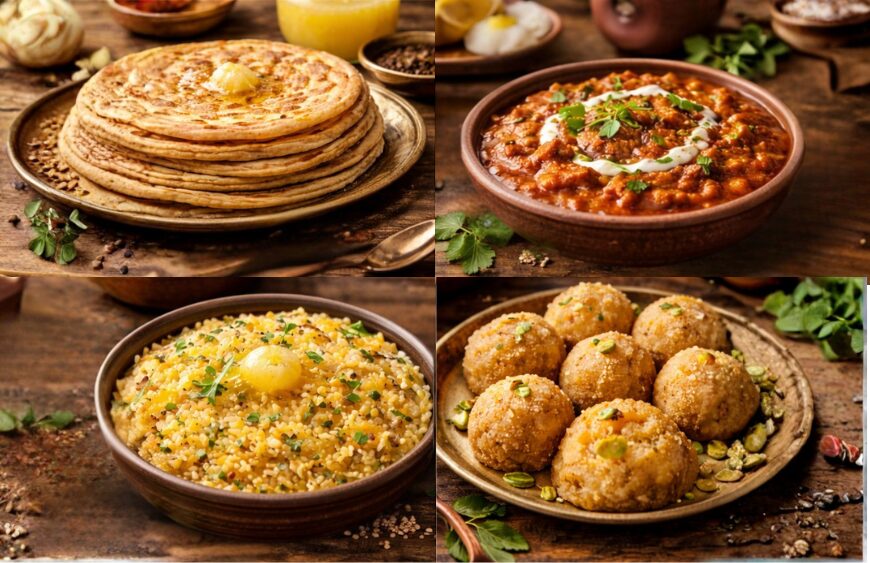
Common North Indian Dishes Using Ghee
- Parathas (layered with ghee)
- Dal Makhani
- Rajma
- Khichdi
- Halwa, Laddoo
Best Ghee for North Indian Cooking
Buffalo ghee or strong cow ghee works best because:
- Higher fat density
- Rich mouthfeel
- Slower digestion (ideal for cold climates)
Ghee in South Indian Cuisine
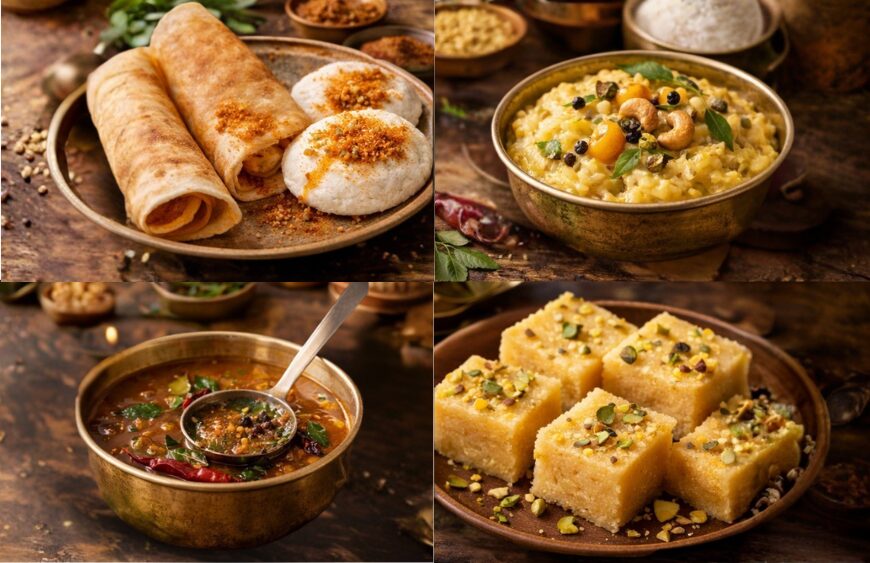
why Ghee is Used More Sparingly Yet with Precision
The focus of South Indian Food is:
- Fermentation
- Light digestion
- Rice-based meals
Signature Uses of Ghee
- Dosa and idli podi drizzle
- Pongal
- Bisibele bath
- Rasam tempering
- Sweets like Mysore Pak
Best Ghee for South Indian Cooking
A2 cow ghee—especially Sahiwal or Gir—because:
- Lighter on digestion
- Enhances fermented aromas
- Aligns with Ayurvedic cooling principles
Ghee in Eastern Indian Cuisine
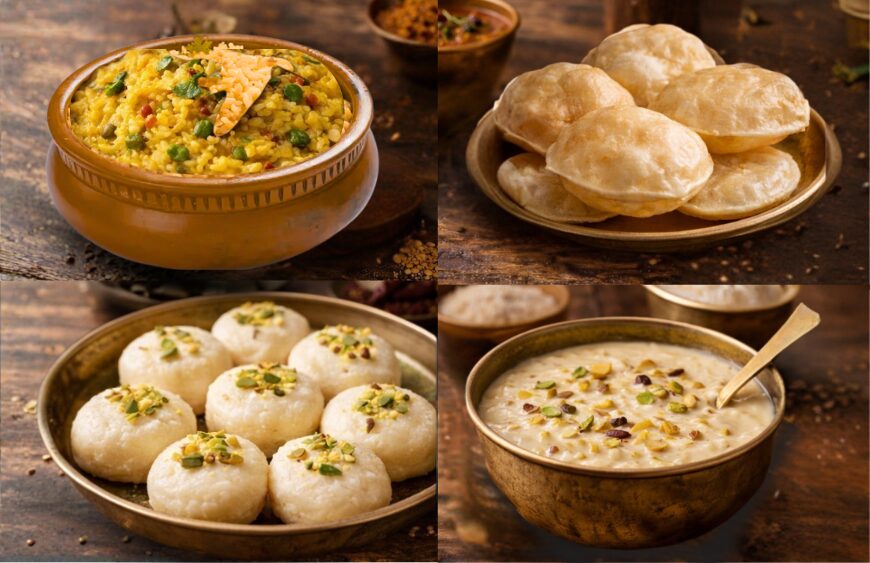
Why Ghee is Used in Eastern India
Focus is on:
- Aroma
- Balanced sweetness
- Soft textures
Some Famous Eastern Dishes with Ghee
- Khichuri
- Luchi
- Sandesh
- Payesh
- Cholar Dal
Best Ghee for Eastern Cooking
Mild, aromatic cow ghee is preferred for eastern cooking:
- Low caramel flavour
- Clean finish
- Not overpowering sweetness
Ghee in Western Indian Cuisine
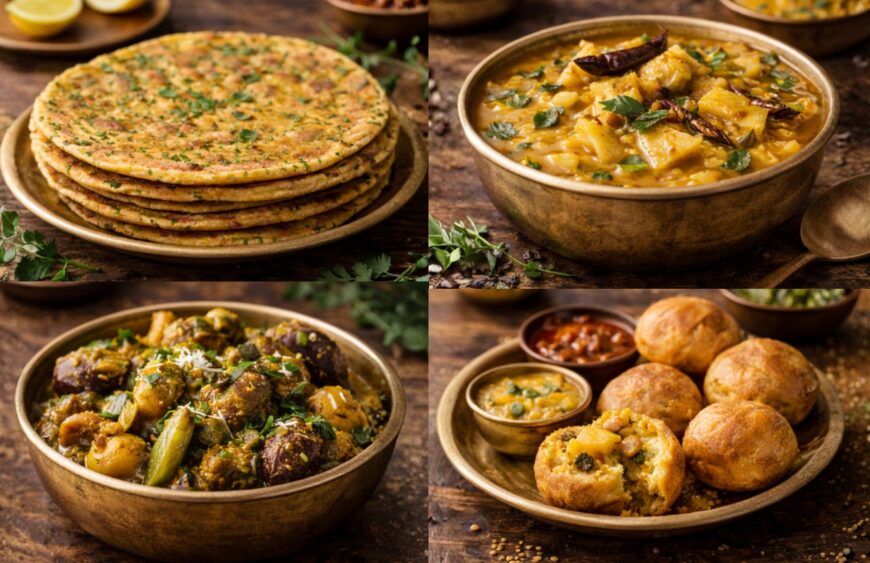
Why Western India Needs Ghee Stability
Western regions face:
- Arid climate
- Long shelf needs
- Spiced, dry foods
Ghee acts as:
- A preservative fat
- A carrier for spices
- A satiety enhancer
Western Indian Ghee-Based Foods
- Thepla
- Dal Dhokli
- Baati (Rajasthan)
- Undhiyu
- Shiroa
Best Ghee for Western Cooking
Buffalo ghee or cow ghee, because:
- Heat stability
- Long shelf life
- Robust flavor
Ayurvedic Perspective: Why One Ghee Doesn’t Fit All
According to Ayurveda:
| Dosha | Preferred Ghee Type |
|---|---|
| Vata | Buffalo or aged cow ghee |
| Pitta | Fresh cow ghee |
| Kapha | Light cow ghee (limited quantity) |
Regional diets naturally align with dosha predominance—this is not coincidence, but accumulated wisdom.
Shahji Ghee – Choosing the Right Ghee for Your Regional Cooking
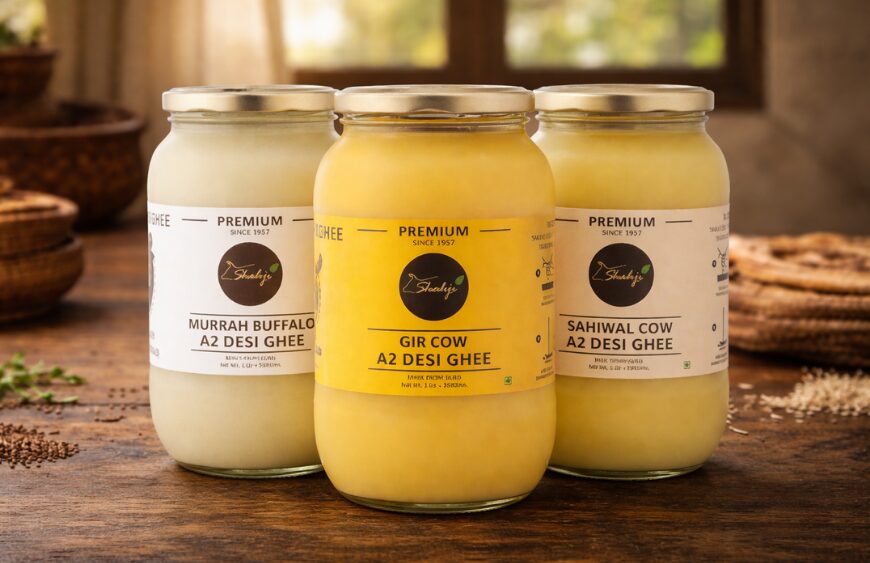
Understanding regional usage helps you buy ghee with intent, not confusion.
At Shahji Ghee, we offer:
- Shahji A2 Sahiwal Cow Ghee – Ideal for South & East Indian cooking
- Shahji A2 Gir Cow Ghee – Balanced choice for pan-Indian use
- Shahji Murrah Buffalo Ghee – Best for North & West Indian kitchens
Each variant is:
- Batch-tested
- Traditionally prepared
- Regionally suited
Choose ghee based on how you cook—not just what’s trending.
Frequently Asked Questions – FAQs
Is ghee used equally across India?
No. Usage varies based on climate, grains, and digestion traditions.
Can I use one ghee for all regional dishes?
Yes, but flavor and digestion improve when matched to cuisine.
Is buffalo ghee unhealthy?
No. It suits cold climates and heavy meals when consumed appropriately.
Does regional ghee choice affect health?
Yes. Digestion, satiety, and nutrient absorption vary by ghee type.
Further Reading & References
This article is part of the Shahji Desi Ghee Knowledge Base, integrating culinary science, Ayurveda, and food regulation.
Indian Culinary & Nutrition References
- ICMR–National Institute of Nutrition (NIN) – Dietary Guidelines for Indians
Official national dietary guidelines recommending the inclusion of traditional visible fats like ghee in balanced diets.
https://www.nin.res.in/downloads/DietaryGuidelinesforNINwebsite.pdf
Regulatory Standards for Ghee in India
- Food Safety and Standards Authority of India (FSSAI) – Food Product Standards
Official definitions, classification and standards for dairy products including milk, ghee and related fats.
https://www.fssai.gov.in/cms/food-products-standards.php
Consumer Awareness & Food Safety
- FSSAI – Eat Right India Initiative
Public education initiative offering resources on safe food practices, including identification of adulterants.
https://www.fssai.gov.in/cms/eat-right-india.php
Consumer Awareness & Food Safety
- FSSAI – Eat Right India Initiative
Public education initiative offering resources on safe food practices, including identification of adulterants.
https://www.fssai.gov.in/cms/eat-right-india.php
Written by & Updated
Written by: Shahji Ghee Knowledge Team
Last updated: January, 2026
Related Articles
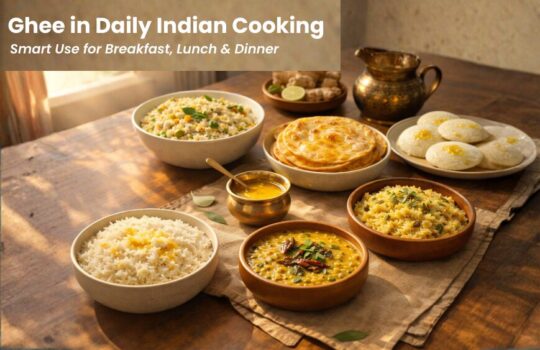
Best Ways to Use Ghee in Daily Indian Cooking (Breakfast, Lunch, Dinner)

Ghee Paratha Recipe: Flaky, Crispy & Easy to Make

Ghee Halwa with Shahji Ghee: Rich Taste & Tradition

Ghee Popcorn: A Healthy Snacking with Shahji Ghee
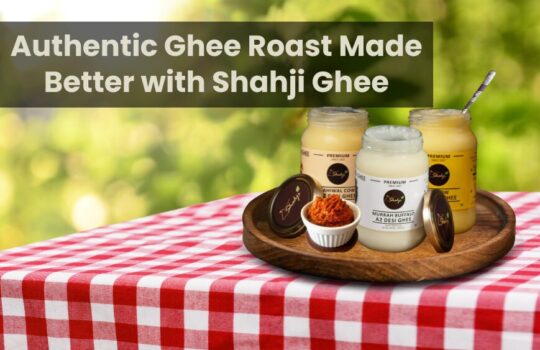
Ghee Roast Made Better with Shahji Ghee