A2 vs A1 Cow Ghee 2026: Key Differences & Benefits
Ghee is a cherished staple in many kitchens, celebrated for its rich flavor and culinary versatility. But as you browse the shelves, you’ve likely encountered a confusing array of labels. Terms like “A2 Ghee” and “Bilona Method” are common, leaving many to wonder what they actually mean. The debate around a2 vs a1 cow ghee is one of the most prominent, but what’s the real difference?
While the distinction originates from different proteins in the milk—A1 vs. A2 beta casein—this difference becomes almost negligible in the final product. Ghee is over 99% pure milk fat, as the clarifying process removes nearly all milk solids like casein. So, the “A2” label on ghee primarily signals the heritage of the cow breed and a brand’s sourcing practices. This guide will walk you through the science and traditions to help you make an informed choice.
What’s the Real Difference Between A1 Ghee and A2 Ghee?
At its core, the distinction between A1 and A2 ghee comes down to the milk used to make it. Specifically, it refers to the type of beta casein protein found in the milk.
- A1 Ghee is made from the milk of cow breeds that predominantly produce A1 beta casein (like Holstein Friesian).
- A2 Ghee is made from the milk of cow breeds that predominantly produce A2 beta casein (like Indian Gir and Sahiwal cows).
However, here is the most important takeaway: ghee is clarified butter. The process of making ghee removes almost all milk solids, including casein and lactose. Ghee is over 99% pure milk fat. This means that while the a2 vs a1 cow ghee distinction is significant in milk, the protein differences are nearly negligible in the final, clarified ghee. The “A2” label on ghee primarily signals the heritage of the cow breed and the brand’s sourcing practices.
The Protein Puzzle: A2 Beta Casein vs A1 Beta Casein
So, what is this protein difference all about? A1 and A2 are simply two common variants of the beta casein protein in cow’s milk. The difference between them is incredibly small, boiling down to a single amino acid at position 67 of the protein chain.
- A1 Beta Casein has an amino acid called histidine at this position.
- A2 Beta Casein has an amino acid called proline at this position.
This tiny structural difference affects how the protein is broken down during digestion. The presence of histidine in A1 protein makes it more likely to release a peptide fragment called beta casomorphin 7 (BCM 7).
BCM 7 and Its Connection to Inflammation
BCM 7 is an opioid peptide that can be released when A1 beta casein is digested. Because it can interact with opioid receptors in the gut, some research has explored its potential link to digestive discomfort and inflammation.
Several human studies have shown that people who report milk intolerance experience fewer digestive symptoms when drinking A2 only milk compared to conventional milk containing A1 protein. However, it’s important to note that the European Food Safety Authority (EFSA), in a comprehensive 2009 review, concluded there was no established cause and effect relationship between BCM 7 and chronic diseases. The discussion of a2 vs a1 cow ghee often circles back to BCM 7, but the strongest evidence relates to milk, not the nearly protein free ghee itself.
Meet the Cows: Breeds Producing A2 vs A1 Milk
The type of casein a cow produces is determined by its genetics.
- A2 Milk Breeds: Many indigenous Indian breeds (Bos indicus), often called “desi” cows, are predominantly A2. This includes well known breeds like the Gir, Sahiwal, Red Sindhi, and Tharparkar. Buffalo milk is also naturally A2 (see our comparison of cow ghee vs buffalo ghee).
- A1 Milk Breeds: Many European breeds (Bos taurus), such as the Holstein Friesian and Jersey, often have a higher frequency of the A1 protein, though this can vary by region and herd.
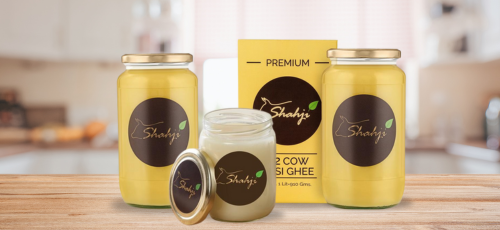
When you see a product labeled as A2 ghee, it signifies that the milk was sourced from these specific desi cow breeds. Brands dedicated to tradition and purity, like Shahji Ghee, offer pure A2 ghee sourced directly from heritage Indian breeds like Gir and Sahiwal.
The Art of Bilona: Crafting Ghee the Traditional Way
Beyond the A1/A2 distinction, the method of preparation plays a huge role in the final product’s quality and flavor. The Bilona method is a traditional, painstaking process for making ghee.
It involves three key steps:
- Curdling: Whole milk is gently boiled, cooled, and set into curd (dahi) overnight.
- Churning: The curd is then churned using a wooden churner (a bilona) to separate the butter, known as makkhan.
- Heating: This makkhan is slowly heated in a thick bottomed vessel until the water evaporates and the milk solids separate, leaving behind pure, aromatic ghee.
This traditional process is prized for developing a richer, nuttier flavor and aroma compared to industrial methods that often start with cream instead of curd.
Ghee, Digestibility, and Your Gut Health
Many people find ghee to be very easy to digest, and there’s some science to back that up. Ghee is a natural source of butyric acid, a short chain fatty acid that is a primary fuel source for the cells lining your colon. Learn more about the nutritional value of ghee. Butyrate helps support the integrity of the gut barrier and has anti inflammatory properties.
Because the ghee making process removes nearly all lactose, it is often well tolerated even by individuals with lactose intolerance. It’s also considered a low FODMAP food in typical serving sizes.
Lactose Intolerance vs. Dairy Protein Sensitivity
It’s crucial to understand the difference between these two conditions when considering ghee.
- Lactose Intolerance: This is a digestive issue caused by the inability to break down lactose, the sugar in milk. Since ghee is virtually lactose free, it’s usually safe for those with lactose intolerance.
- Milk Protein Allergy: This is an immune system reaction to the proteins in milk (casein and whey). Even though ghee has only trace amounts of protein, those with a true milk allergy are advised to avoid it completely to prevent a potential reaction.
The question of a2 vs a1 cow ghee is irrelevant for someone with a diagnosed milk protein allergy, as any dairy source could be a risk.
A Look at Ghee’s Nutritional Profile
Ghee is an energy dense fat that carries several important nutrients. Here are some key facts:
- Calories: A 100 gram serving provides approximately 876 calories and 99.5 grams of fat (see our full breakdown of calories in ghee).
- Vitamins: It is a source of fat soluble vitamins, particularly Vitamin A.
- Fatty Acids: It contains beneficial fatty acids like butyric acid and Conjugated Linoleic Acid (CLA).
While nutritious, ghee is a saturated fat, and health guidelines recommend consuming it in moderation as part of a balanced diet (see how much ghee per day based on age and diet type).
Ghee in Your Kitchen: Cooking and Smoke Point
One of ghee’s greatest strengths is its performance in the kitchen. Because all the water and milk solids have been removed, it has a very high smoke point, typically around 250°C (or 485°F). This is significantly higher than butter (around 177°C or 350°F). If you’re choosing between fats, see ghee vs olive oil in Indian cooking.
This makes ghee an excellent choice for high heat cooking methods like:
- Sautéing and searing
- Roasting vegetables
- Frying
- Traditional Indian tadka (tempering spices)
The Bottom Line: Why Choose A2 Desi Cow Ghee?
So, after exploring the science and tradition, why should you choose A2 desi cow ghee? The conversation about a2 vs a1 cow ghee goes beyond just a single amino acid. For most people, the choice comes down to a few key values:
- Heritage and Source: Choosing A2 ghee means supporting indigenous cow breeds and the traditional farming practices associated with them.
- Flavor and Aroma: Ghee made using the Bilona method from A2 cow milk is often described as having a superior, more authentic taste.
- Peace of Mind: For those sensitive to conventional dairy, A2 milk products (and by extension, ghee from A2 milk) are an appealing option, even if the protein content in ghee is minimal.
When you value source transparency, traditional methods, and authentic flavor, exploring high quality options is a great place to start. You can compare different A2 ghee varieties like Gir and Sahiwal at Shahji Ghee to find the one that best suits your taste.
Frequently Asked Questions about A2 vs A1 Cow Ghee
Is A2 ghee really healthier than A1 ghee?
The health debate focuses on the proteins in milk. Since ghee is almost entirely fat, the protein difference is minimal in the final product. However, some people choose A2 ghee for digestive peace of mind and to support traditional agriculture. The decision of a2 vs a1 cow ghee is often based on personal preference and values.
Can I have A2 ghee if I am lactose intolerant?
Yes, most likely. The process of making ghee removes almost all lactose, making it suitable for most people with lactose intolerance.
What is the Bilona method?
The Bilona method is a traditional Indian process of making ghee. It starts with setting milk into curd, churning the curd to make butter (makkhan), and then slowly simmering the butter to produce pure ghee.
Why is A2 cow ghee more expensive?
A2 ghee is often more expensive because desi cow breeds like Gir and Sahiwal produce less milk than commercial A1 breeds. Additionally, the traditional Bilona method is more labor intensive and time consuming than industrial processes. For pricing context, see our guide to Sahiwal cow ghee price and why it’s worth it.
Which cow breeds produce A2 milk?
Indigenous Indian breeds like Gir, Sahiwal, Tharparkar, and Red Sindhi are known for producing A2 milk. Buffalo milk is also naturally A2.
How does the debate over A2 vs A1 cow ghee apply to the final product?
The debate is most relevant to milk, which is high in protein. In ghee, where the protein content is less than 1%, the distinction is more about the source of the milk and the brand’s philosophy than a significant biochemical difference in the jar you buy.
Related Articles

Cow Ghee vs Buffalo Ghee 2026: Differences, Benefits & Uses

Buffalo Ghee vs Cow Ghee: 9 Key Differences (2026)

Sahiwal Cow Ghee vs Gir Cow Ghee: 2026 Comparison Guide

Best Cow Ghee in India (2026): A2 & Bilona Buying Guide