A1 vs A2 Cow Ghee: Key Differences & Benefits (2026)

Ghee, the golden elixir of Indian kitchens, has been a staple for centuries, celebrated for its rich flavor and numerous health benefits. But as you browse the shelves today, you’re faced with a new choice: A1 or A2 ghee. This distinction has sparked a lot of conversation, leaving many wondering what the real difference is. Is one truly better than the other? For those seeking better digestion and optimal health, the answer is a clear yes. A2 ghee is widely considered the superior choice due to its original protein structure, making it gentler on the stomach.
Let’s clear up the confusion. This guide breaks down everything you need to know about the a1 vs a2 cow ghee debate, from the science of milk proteins to practical tips for choosing the best ghee for your family. If you’re new to A2, start with what A2 ghee is and how it’s made.
The Core Difference: It All Starts with the Milk Protein
At the heart of the a1 vs a2 cow ghee discussion is a tiny difference in the protein composition of the milk it comes from.
All cow’s milk contains a protein called beta casein. However, due to a natural genetic mutation that occurred thousands of years ago, there are two main variants of this protein: A1 and A2.
- A2 Beta Casein: This is the original, ancestral form of the protein, found in older breeds of cattle. It has an amino acid called proline at a specific position in its protein chain.
- A1 Beta Casein: This is a newer variant that appeared in European cattle breeds. It has a different amino acid, histidine, at that same position.
This single amino acid swap might seem small, but it changes how the protein is broken down in your body during digestion.
The BCM 7 Effect: Why A2 Is Considered Gentler
When your body digests A1 beta casein, the presence of histidine allows for the release of a peptide fragment called beta casomorphin 7, or BCM 7.
BCM 7 is an opioid like peptide that some researchers believe can cause digestive discomfort, inflammation, and other issues in sensitive individuals. It’s the primary reason some people feel bloated or uneasy after consuming conventional dairy products.
On the other hand, the proline in A2 beta casein creates a much stronger bond that prevents BCM 7 from being released during digestion. This is the fundamental reason A2 milk, and the ghee made from it, is considered easier on the stomach and more gut friendly. The main takeaway in the a1 vs a2 cow ghee comparison is that A2 ghee avoids the potentially troublesome BCM 7 peptide.
From Pasture to Pot: How the Source Defines Your Ghee
The type of ghee you get is directly linked to the cow that produced the milk and the method used to make it.
The Importance of Cow Breed Origin
The breed of the cow determines whether its milk contains A1 or A2 protein.
- A2 Cow Breeds: Indigenous Indian (or Desi) breeds like Gir, Sahiwal, and Red Sindhi, as well as Jersey and Guernsey cows, naturally produce milk that contains only the A2 beta casein protein.
- A1 Cow Breeds: Modern, high yielding European breeds like Holstein Friesian and Ayrshire predominantly produce A1 milk, or a mix of A1 and A2.
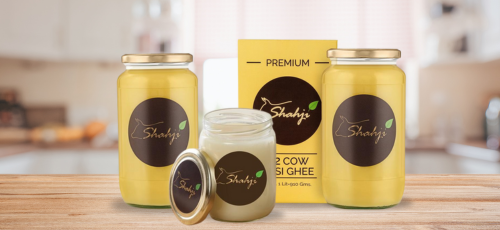
Therefore, true A2 ghee can only be made from the milk of purebred A2 cows. Brands that prioritize authenticity, like Shahji Ghee, source their milk exclusively from native Indian breeds like Gir and Sahiwal to ensure their ghee is 100% A2.
The Traditional Bilona Preparation Method
The method of preparation also plays a massive role in the final quality of the ghee. The most revered technique is the ancient Vedic Bilona method (see our step-by-step Bilona ghee making process). Unlike modern industrial processes that use direct cream, the Bilona method is a meticulous, multi step process:
- Culturing: Whole A2 milk is gently warmed and set with a starter culture to turn into rich, probiotic curd.
- Churning: The curd is then slowly churned using a wooden churner (a bilona) in both clockwise and anti clockwise motions. This process separates the cultured butter (makkhan) from the buttermilk.
- Simmering: The butter is then slowly heated on a low flame, allowing the water to evaporate and the milk solids to settle, leaving behind pure, golden ghee.
This traditional process is labor intensive; it takes 25 to 30 liters of A2 milk to produce just one liter of Bilona ghee. However, this method preserves more nutrients and results in a ghee with a superior granular texture and rich, nutty aroma.
Your Gut’s Best Friend: Ghee and Digestive Wellness
Ghee is widely celebrated for its positive effects on digestion, and A2 ghee, in particular, shines in this area.
Superior Digestibility and Gut Health
Because it’s virtually free of lactose and casein, ghee is generally very easy to digest. The Bilona method takes this a step further by fermenting the milk into curd, which predigests these components. Ghee made this way is exceptionally gentle on the stomach. It also stimulates the secretion of digestive enzymes, helping your body better absorb nutrients from all the foods you eat.
The Power of Butyrate for Gut Lining Support
Ghee is one of the richest food sources of butyrate, a short chain fatty acid. Butyrate is the primary fuel for the cells that line your colon. Consuming ghee helps nourish and strengthen this gut lining, which is essential for preventing leaky gut, reducing inflammation, and supporting a healthy immune system. Interestingly, studies show that ghee made by the bilona method contains 15 to 20% more butyric acid than ghee made from direct cream.
A Safe Haven for the Lactose Intolerant
Are you lactose intolerant? Good news! Pure ghee is safe for you to consume. The clarification process removes the milk solids where lactose resides. Well made ghee contains less than 0.1% lactose, a negligible amount that doesn’t trigger symptoms in most people. This allows you to enjoy the rich, buttery flavor and health benefits of ghee without digestive distress. For portion guidance by age and diet type, see how much ghee per day.
Beyond Digestion: The Wider Health Benefits of A2 Ghee
The advantages of choosing A2 ghee extend far beyond just being easy on the tummy.
Anti Inflammatory Properties
Thanks to its high concentration of butyrate and Conjugated Linoleic Acid (CLA), ghee possesses powerful anti inflammatory properties. Butyrate has been shown to reduce inflammatory markers in the gut, while CLA has systemic anti inflammatory effects. By choosing A2 ghee, you also avoid the pro inflammatory BCM 7 peptide associated with A1 milk, making the debate on a1 vs a2 cow ghee an easy choice for those managing inflammatory conditions.
A Rich Nutritional Profile and Vitamin Content
Ghee is a powerhouse of fat soluble vitamins that are often lacking in modern diets. It is an excellent source of:
- Vitamin A: Crucial for vision, immune function, and skin health.
- Vitamin E: A powerful antioxidant that protects cells from damage.
- Vitamin K2: Essential for directing calcium to your bones and teeth, supporting both skeletal and heart health.
Ghee also provides a mix of healthy fats, including beneficial medium chain triglycerides (MCTs) and CLA.
Supporting Brain Power and Cognitive Function
In Ayurveda, ghee is revered as a Medhya Rasayana, or a brain tonic. The brain is made of nearly 60% fat, and the healthy fats in ghee provide the essential building blocks for nerve cells. The MCTs in ghee can also be converted into ketones, which serve as a clean and efficient fuel source for the brain, potentially improving focus and mental clarity.
A Surprising Ally in Weight Management
While it may seem counterintuitive, adding a moderate amount of ghee to your diet can actually support weight management. The healthy fats in ghee promote satiety, helping you feel full and satisfied for longer. This can reduce cravings and prevent overeating. Furthermore, the CLA in ghee has been shown in some studies to help reduce body fat and increase lean muscle mass.
Boosting Your Immunity Naturally
With about 70% of your immune system located in your gut, a healthy digestive system is your first line of defense. Ghee supports immunity by strengthening the gut lining with butyrate and providing immune boosting nutrients like Vitamin A. A robust gut barrier prevents pathogens from entering your bloodstream, allowing your immune system to function optimally.
Ghee in Your Kitchen: Cooking and Selection
Now that you understand the benefits, let’s talk about using and choosing the right ghee.
Cooking Stability and a High Smoke Point
Ghee is an excellent choice for all types of cooking, especially at high temperatures. It has a very high smoke point of around 482°F (250°C), much higher than butter and most vegetable oils. This means it doesn’t break down and create harmful free radicals when you’re sautéing, frying, or roasting, making it a safer and healthier cooking fat. For a practical comparison, see ghee vs olive oil for Indian cooking.
How to Choose a Quality Ghee
With so many options available, picking the right ghee can be tricky. If you’re shopping online, read our guide to buying A2 desi ghee online. Here’s a simple checklist to help you make an informed choice in the a1 vs a2 cow ghee market:
- Check the Source: Look for ghee that is explicitly labeled “A2” and mentions the cow breed, such as Gir or Sahiwal.
- Verify the Method: Prefer ghee made using the “Bilona Method” or from “Cultured Butter.” This indicates the traditional, nutrient preserving process.
- Examine the Appearance: Pure A2 cow ghee should have a beautiful golden hue and a slightly granular (danedar) texture when solid. Buffalo ghee will be white.
- Trust Your Senses: Quality ghee has a rich, nutty aroma. It should melt quickly in your palm due to your body heat.
- Mind the Price: Authentic A2 Bilona ghee is a premium product due to the large quantity of milk and labor required. A price that seems too good to be true might be a red flag for adulteration (here’s why Sahiwal cow ghee is worth the price).
- Choose a Reputable Brand: Opt for trusted brands that are transparent about their sourcing and production methods. A reliable brand like Shahji Ghee, trusted since 1957, offers lab tested purity and clarity on their process, giving you peace of mind.
Exploring Ghee’s Traditional and Unique Aspects
The Potential Concerns with A1 Ghee
While not immediately harmful to everyone, ghee derived from A1 milk carries potential risks due to the BCM 7 peptide. These include digestive irritation, low grade inflammation, and, according to some population studies, a correlation with higher rates of certain chronic diseases. For those with sensitivities or a focus on optimal health, choosing A2 ghee is a simple way to avoid these potential downsides.
The Ancient Wisdom of Ayurveda
In Ayurveda, ghee is considered a sattvic food that promotes purity and positivity. It’s known as a Rasayana (a rejuvenating tonic that promotes longevity) and a Yogavahi (a catalytic agent that carries the healing properties of herbs deep into the body’s tissues). It is used to balance Vata and Pitta doshas, kindle the digestive fire (Agni), and build Ojas (vitality).
What is Cultured Ghee?
Cultured ghee is another name for ghee made using the Bilona method. The term “cultured” refers to the initial step of fermenting milk into curd (yogurt). During this process, beneficial bacteria convert the milk sugar (lactose) into lactic acid. This predigestion step makes the resulting ghee even more digestible and imparts a richer, slightly tangy flavor profile that many connoisseurs prefer. It’s the traditional way ghee was always meant to be made. For a deeper look at differences, see cultured ghee vs. sweet‑cream ghee.
If you’re ready to experience the authentic taste and benefits of traditionally made ghee, you can explore Shahji Ghee’s A2 Bilona Ghee collection here.
Frequently Asked Questions About A1 vs A2 Cow Ghee
Is A2 ghee really better than A1 ghee?
For many people, yes. A2 ghee is easier to digest because it lacks the BCM 7 peptide found in A1 ghee, which can cause inflammation and digestive discomfort in sensitive individuals. From a health perspective, A2 ghee is widely considered the superior choice.
Can I have ghee if I am lactose intolerant?
Absolutely. The process of making ghee removes almost all lactose and casein, making it a safe and delicious option for most people with lactose intolerance.
Why is A2 Bilona ghee so expensive?
The premium price reflects the high cost and effort of its production. It requires a large volume of milk (around 25 to 30 liters for one liter of ghee) from specific, lower yielding A2 cow breeds, and the traditional Bilona method is a slow, manual process.
What is the main difference in the a1 vs a2 cow ghee debate?
The main difference lies in the type of beta casein protein in the milk. A2 milk contains the original A2 protein, which is gentle on digestion. A1 milk contains a mutated A1 protein that can release the potentially inflammatory BCM 7 peptide.
How should I store my A2 ghee?
Ghee is shelf stable and should be stored in a cool, dark place in an airtight container. There is no need to refrigerate it. Pure ghee can last for many months without spoiling (here’s exactly how to store ghee in Indian weather).
Related Articles

A2 Gir Ghee vs Regular Ghee: 2026 Differences & Benefits
A2 vs A1 Cow Ghee 2026: Key Differences & Benefits

Cow Ghee vs Buffalo Ghee 2026: Differences, Benefits & Uses

Buffalo Ghee vs Cow Ghee: 9 Key Differences (2026)

Sahiwal Cow Ghee vs Gir Cow Ghee: 2026 Comparison Guide