Best A2 Gir Cow Ghee in India: 2026 Buyer’s Guide

Finding the best A2 Gir cow ghee in India means choosing a product that is authentic, pure, and traditionally made. The best ghee comes exclusively from the milk of Gir cows, is crafted using the slow-churned bilona method, and is verified by lab testing for purity. With reports suggesting a staggering 40% of dairy products could be adulterated, knowing these key markers is crucial.
This guide cuts through the noise. We’ll walk you through the essential selection criteria, from verifying the cow’s breed to understanding the importance of the bilona method. By the end, you’ll know exactly how to identify and purchase pure, delicious, and authentic A2 Gir cow ghee with confidence.
Your Ultimate Checklist: How to Choose the Best A2 Gir Cow Ghee
Navigating the world of ghee doesn’t have to be complicated. Follow these straightforward criteria to ensure you’re bringing home a product that is pure, healthy, and worth its price.
1. Start with a Trusted Heritage Brand
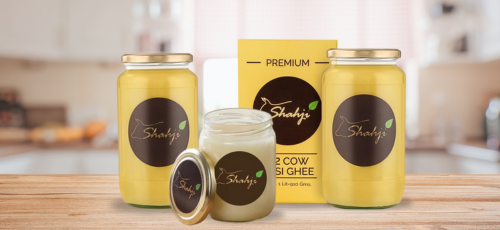
The most crucial step is to select a brand with a long-standing reputation for purity and authenticity. A brand like Shahji Ghee, with a legacy dating back to 1957, demonstrates a multi-generational commitment to quality. They exemplify what to look for: a direct-to-consumer model with pan-India delivery, a clear focus on A2 milk from breeds like Gir and Sahiwal, and use of the traditional bilona method. By choosing a heritage brand that is transparent about its process and offers lab-certified purity, you build a foundation of trust before checking any other boxes.
2. Verify Gir Breed Authenticity (Is It Really A2?)
First things first, let’s talk about the “A2” in A2 ghee. This refers to a specific type of beta casein protein found in the milk of certain indigenous Indian cow breeds, like the Gir. For a product to be the best a2 gir cow ghee, it must come exclusively from Gir cows.
Always check the label. A reputable brand will proudly state “A2 Gir Cow Ghee” and often share details about their cows or the farms they source from. This transparency is crucial because mislabeling is a serious issue. In one extreme case of fraud, nearly 6.8 million kg of fake ghee was sold that contained no cow milk at all, instead being made from cheap oils and chemicals. A brand that is open about its Gir cow lineage, like the farm fresh approach taken by Shahji Ghee, gives you confidence that you are getting the genuine article.
3. Insist on the Traditional Bilona Method
The way ghee is made has a huge impact on its quality. The gold standard is the ancient Vedic bilona method. This traditional process involves three steps:
- Curdling: Whole A2 milk is turned into curd.
- Churning: The curd is hand churned (or slow churned) to separate the butter.
- Simmering: The butter is gently heated to clarify it into ghee.
This labor intensive method produces less ghee, which is why it costs more. However, it preserves the maximum amount of nutrients, including fat soluble vitamins A, D, E, and K. Brands that use this process will always mention “Bilona Method” or “Hand Churned” on their packaging. The result is a richer aroma and a more granular texture compared to industrially produced ghee.
4. Check for FSSAI Certification and Lab Testing
In a market where In FY 2024–25, Indian authorities analysed 33,405 samples of milk and milk products, found 12,780 non‑conforming, and filed 12,057 cases against offending food business operators, official certification is non negotiable. Always look for an FSSAI license number on the jar. This is a mandatory mark of compliance with India’s food safety standards.
However, the best A2 Gir cow ghee brands go a step further with third party lab testing. This provides an unbiased confirmation of purity. Some sophisticated adulterators even use chemicals designed to fool basic quality checks, making comprehensive lab analysis more important than ever. A brand that advertises its ghee as “lab tested for purity” is showing confidence in its product and giving you an extra layer of security.
5. Use Your Senses: Check Aroma and Texture
Your nose and eyes are powerful tools for judging ghee quality.
- Aroma: Pure A2 ghee made with the bilona method has a distinct, rich, and nutty aroma. It should smell pleasant and fresh, never burnt or rancid. A burnt smell can indicate high heat processing or impurities.
- Texture: Look for a grainy texture, known as danedar. These small granules are a sign of slow, proper cooling and are a hallmark of traditionally made ghee. If the ghee is perfectly smooth and waxy like petroleum jelly, it might be industrially processed or mixed with vegetable fats.
6. Demand Farm to Jar Traceability
Knowing where your food comes from is a mark of a truly transparent brand. Look for a complete manufacturer’s address on the label, not just a P.O. box. This ensures accountability. Premium brands often provide details about the farms where the milk is sourced, creating a clear line from the cow to your kitchen. The ingredient list should be simple: just “milk fat” or “cultured butter.” Anything else is a red flag.
7. Prioritize Glass Jar Packaging
How ghee is stored matters. The best choice is always a glass jar. Glass is non reactive, meaning it won’t leach chemicals into the ghee or affect its taste and aroma. Plastic containers, especially lower grade ones, can release chemicals and microplastics into fatty foods over time. A brand that invests in high quality glass packaging is showing its commitment to preserving the purity and freshness of its ghee.
8. Consider the Price (You Get What You Pay For)
If a deal on A2 Gir cow ghee seems too good to be true, it probably is. Producing authentic bilona ghee is costly. According to one estimate, about 26.3 kg of 4% fat cow milk are required to make 1 kg of ghee.
While mass market ghee might sell for around ₹500 to ₹600 per liter, you should expect to pay between ₹1,200 to ₹2,500 per liter for genuine bilona made A2 cow ghee. For a deeper breakdown, see our A2 bilona ghee buying guide. This premium price reflects the lower milk yield of Gir cows, the labor intensive process, and the superior quality of the final product. Seeing the best a2 gir cow ghee sold for an extremely low price is a major warning sign.
9. Buy from Trusted Online Sources
The safest way to buy ghee is directly from the brand’s official website or an authorized retailer. Before you purchase, review this checklist for buying A2 desi ghee online. This minimizes the risk of getting a counterfeit product, which can become more common during festive seasons when demand spikes.
Buying directly from a producer like Shahji Ghee online ensures you receive a fresh, authentic product with its tamper proof seal intact. Many direct to consumer brands also offer pan India shipping, making it convenient to get high quality ghee delivered right to your doorstep.
The Takeaway: Your Path to Pure Ghee
Choosing the best A2 Gir cow ghee is an investment in your health and culinary experience. By focusing on breed authenticity, the bilona method, official certifications, and transparent sourcing, you can confidently select a product that is pure, nutritious, and full of traditional flavor. Trust your senses, check the packaging, and always buy from a reputable source.
Frequently Asked Questions about A2 Gir Cow Ghee
What is special about A2 Gir cow ghee?
A2 Gir cow ghee is made from the milk of Gir cows, an indigenous Indian breed. Their milk contains only the A2 beta casein protein, which many people find easier to digest compared to the A1 protein found in milk from crossbred cows. If you’re weighing it against buffalo ghee, see our cow ghee vs buffalo ghee comparison.
Why is the bilona method considered the best for making ghee?
The bilona method is a traditional, slow churning process that starts with curd. It operates at a lower temperature, which helps preserve more of the natural nutrients, aroma, and flavor in the ghee compared to modern, high heat industrial methods.
How can I quickly test ghee for purity at home?
A simple palm test works well. Take a spoonful of ghee and place it on your palm. Pure ghee will start to melt from your body heat almost immediately. If it takes a long time to melt or feels waxy, it may be adulterated.
Why is the best a2 gir cow ghee more expensive?
The higher price comes from several factors: Gir cows produce less milk than hybrid breeds, the bilona method is labor intensive and yields less ghee from milk, and maintaining high standards of purity and quality requires significant investment.
What should I look for on the label of A2 ghee?
Look for an explicit mention of “A2 Gir Cow Ghee,” the use of the “Bilona Method,” a valid FSSAI license number, and a complete manufacturer’s address. The ingredient list should only contain milk fat.
Is grainy ghee better than smooth ghee?
Yes, a grainy or danedar texture is generally considered a sign of high quality, traditionally made ghee. This texture forms when pure ghee is cooled slowly. An overly smooth, uniform texture can sometimes indicate industrial processing or adulteration with other fats.
Related Articles

Best Desi Cow Ghee in India (2026): Top 5 A2 Bilona Picks

A2 Gir Ghee vs Regular Ghee: 2026 Differences & Benefits
A2 vs A1 Cow Ghee 2026: Key Differences & Benefits

Cow Ghee vs Buffalo Ghee 2026: Differences, Benefits & Uses