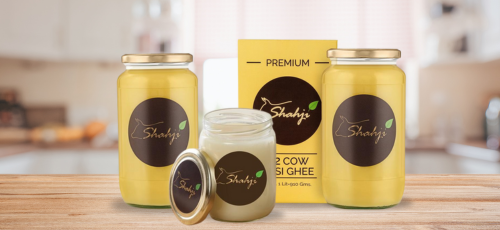
What Is A2 Ghee? Benefits, Bilona Method & Uses (2026)

If you’ve been exploring healthy fats or traditional Indian foods, you’ve likely come across A2 ghee. It’s praised in wellness circles and is popping up on more and more shelves, often with a premium price tag. So, what is A2 ghee? At its core, A2 ghee is a type of clarified butter made exclusively from the milk of cows that produce only the A2 beta-casein protein. It is different from regular ghee because most modern dairy comes from cows producing a mix of A1 and A2 proteins.
Understanding what is A2 ghee is about looking at the source: specific, heritage cow breeds that lack the genetic mutation for the A1 protein. While all pure ghee is free of lactose and casein, the “A2” label signifies the purity of its origin. This guide will walk you through everything you need to know about this traditional golden fat.
A1 vs. A2 Ghee: What’s the Difference?
The entire A1 versus A2 debate boils down to a tiny difference in the milk protein called beta-casein. This distinction is the most important factor in understanding what is A2 ghee. Thousands of years ago, a genetic mutation in some European cattle changed a single amino acid in the protein chain. The original protein is called A2, while the mutated version is A1.
Here’s why it matters:
- Digestion: When the human body digests A1 beta-casein, it can create a peptide fragment called Beta-Casomorphin-7 (BCM-7). Some studies suggest BCM-7 might be linked to digestive discomfort and inflammation in sensitive individuals.
- The A2 Advantage: A2 beta-casein breaks down differently and does not produce BCM-7. One double-blind study found that participants reported more gastrointestinal issues when drinking A1 milk compared to A2 milk.
Even though the clarification process removes almost all casein from the final ghee, many people prefer A2 ghee for the peace of mind that it originates from a potentially gentler and more traditional milk source.
The Source Matters: Indigenous Cow Breeds and A2 Milk
The conversation about what is A2 ghee is inseparable from the cows themselves. The primary source of A2 milk comes from indigenous Indian cattle, also known as desi or Zebu cows (Bos indicus). These breeds never underwent the genetic mutation seen in many European breeds.
Famous Indian A2 breeds include:
- Gir
- Sahiwal
- Red Sindhi
- Tharparkar
- Kankrej
In fact, a comprehensive study found that around 94% of India’s native cattle possess the A2 gene. These cows are revered not just for their milk quality but also for their hardiness. Brands focused on authenticity, like Shahji Ghee, specifically source their milk from heritage breeds like Gir and Sahiwal to create their products.
These indigenous breeds produce less milk, a Gir cow might yield only 6 to 8 liters a day, compared to a Holstein which can produce over 20 liters. This “quality over quantity” approach is a key reason for the higher cost of pure A2 ghee.
The Art of Tradition: What is the Bilona Method?
The Bilona method is the ancient, Vedic way of making ghee, and it’s what sets artisanal A2 ghee apart from commercially produced ghee. This traditional process is a critical part of the answer to what is A2 ghee. The word bilona refers to the two way churning process done with a wooden churner.
Unlike the industrial method of simply separating cream from milk and heating it, the bilona process is a patient, three step craft:
- Milk to Curd: Whole A2 milk is boiled, cooled, and then cultured overnight to set into curd (yogurt).
- Curd to Butter: The curd is then slowly churned (the bilona step) to separate fresh, white butter (makhan).
- Butter to Ghee: This butter is then gently simmered over a low flame until the water evaporates and the milk solids caramelize, leaving behind pure, fragrant ghee.
This traditional method is believed to preserve more nutrients and yield a ghee with a richer aroma and a distinctly grainy texture, which is considered a hallmark of purity.
How A2 Ghee is Made: A Step by Step Journey
Understanding how authentic A2 ghee is prepared gives a complete picture of what is A2 ghee from farm to jar. The process, especially when following the Bilona method, is meticulous.
- Ethical Milking: It all starts with milk from stress free, grass fed A2 cows like Gir or Sahiwal. The quality of the milk is paramount. If you’re curious how feeding impacts quality, read our guide on grass-fed vs grain-fed ghee.
- Boiling and Culturing: The fresh milk is boiled to ensure safety and then cooled to a lukewarm temperature. A starter culture is added, and the milk is left to ferment into curd over 8 to 10 hours.
- Churning for Butter: The set curd is churned using the bilona, a process that separates the butterfat globules from the buttermilk. This can take over an hour of manual or slow mechanical effort.
- Slow Clarification: The collected butter is slowly heated in a thick bottomed pot. As it simmers, water evaporates, and the milk solids sink and turn a reddish brown color. This slow cooking develops the ghee’s characteristic nutty and caramelized aroma.
- Filtering and Packaging: Once the bubbling subsides, the clear golden liquid is carefully filtered to remove all the milk solids. It is then cooled and poured into sterile glass jars, ready for storage.
The entire journey from milk to ghee can take up to 48 hours for a single batch, highlighting the care that goes into its creation.
The Nutritional Powerhouse: A2 Ghee’s Profile
Nutritionally, A2 ghee is a powerhouse of healthy fats and essential vitamins. This impressive nutritional profile is a key part of understanding what is A2 ghee and why it’s so valued. A single tablespoon contains around 120 calories, all from fat.
Here’s a breakdown of what you’re getting:
- Healthy Fats: Ghee is primarily composed of saturated (~65%) and monounsaturated (~30%) fats. It is a rich source of butyric acid, a short chain fatty acid that is vital for colon health and has anti-inflammatory properties. Ghee from grass fed cows is also a source of Conjugated Linoleic Acid (CLA), which has been linked to various health benefits.
- Fat Soluble Vitamins: Ghee is an excellent natural source of Vitamins A, D, E, and K. Vitamin A is crucial for vision and immune health, Vitamin E is a powerful antioxidant, and Vitamin K2 helps with calcium metabolism for strong bones.
- Lactose and Casein Free: Because the milk solids are removed, ghee contains virtually no lactose or casein, making it a safe choice for most people with dairy sensitivities.
Unlocking the Health Benefits of A2 Ghee
For centuries, ghee has been celebrated in Ayurveda as a food that heals. Exploring its benefits is essential for anyone asking what is A2 ghee and why they should use it. Modern nutrition is now catching up to this ancient wisdom. Here are some of the key health benefits of A2 ghee. For a deeper dive, see 12 proven ghee benefits.
- Improves Digestion: The butyric acid in ghee nourishes the cells of the gut lining, strengthens the digestive fire (agni), and can help prevent constipation.
- Boosts Immunity: The combination of gut healing butyrate and immune supporting vitamins like A and D makes ghee a powerful food for building a strong immune system.
- Supports Brain Health: Ghee is a source of healthy fats, including small amounts of DHA, an omega 3 fatty acid essential for cognitive function and brain development.
- Enhances Skin and Eyes: Rich in Vitamin A, ghee helps maintain healthy vision and promotes glowing, supple skin from the inside out.
- High Smoke Point: Ghee has a high smoke point (around 250°C or 482°F), which means it doesn’t break down into harmful free radicals during cooking, making it one of the safest fats for frying and sautéing.
To experience these benefits with a pure and traditional product, you might explore Shahji Ghee’s authentic range, rooted in Ayurvedic principles.
The Ayurvedic Perspective: Why A2 Ghee is “Liquid Gold”
In Ayurveda, ghee from a desi cow is considered a Rasayana, a food that rejuvenates the body and promotes longevity. It is believed to build Ojas, the subtle essence of all bodily tissues that governs vitality, immunity, and clarity of mind.
According to ancient texts, ghee strengthens the digestive fire (Agni), enhances memory and intellect, and acts as an anupana, a carrier substance that helps transport the medicinal properties of herbs deep into the body’s tissues. It is also considered a sattvic food, promoting a calm and clear state of mind.
Is A2 Ghee Safe for Lactose Intolerance?
Yes, for most people. One of the biggest advantages of A2 ghee is its suitability for those with lactose intolerance. During the clarification process, the milk solids, which contain both lactose (milk sugar) and casein (milk protein), are meticulously removed. The final product is pure butterfat.
This means you can enjoy the rich, buttery flavor of ghee without the digestive distress that milk or butter might cause. For individuals who are highly sensitive to even trace amounts of dairy proteins, A2 ghee provides an extra layer of assurance, as it comes from milk that is already considered gentler on the system.
How to Spot the Real Deal: Identifying Authentic A2 Ghee
With A2 ghee’s growing popularity, it’s important to know how to identify a genuine product. Knowing what is A2 ghee is the first step in this process. Here are a few markers of authenticity:
- Transparency: Reputable brands will clearly state the cow breed (e.g., Gir, Sahiwal) and the production method (e.g., Bilona) on the label. Brands like Shahji Ghee pride themselves on this transparency.
- Texture: Pure, traditionally made cow ghee has a granular texture at room temperature. It shouldn’t be waxy or completely solid like hydrogenated fat.
- Aroma and Color: Authentic A2 cow ghee has a rich, nutty, and slightly sweet aroma. Its color is typically a beautiful golden yellow, thanks to the beta-carotene from the cow’s grass-fed diet.
- The Palm Test: A simple home test is to place a spoonful of ghee on your palm. Pure ghee will start to melt from your body heat alone.
- Price: Real A2 ghee is a labor-intensive product. If the price seems too good to be true, it likely is. It may be adulterated with cheaper vegetable fats or not made from genuine A2 milk.
Why is A2 Ghee So Expensive? Breaking Down the Cost
The premium price of A2 ghee is a direct reflection of its production costs. The cost is a practical aspect of understanding what is A2 ghee. Here’s a quick breakdown:
- High Milk Requirement: It takes between 25 to 30 liters of A2 cow milk to produce a single liter of ghee using the traditional bilona method.
- Low Milk Yield: Desi cows like the Gir produce far less milk per day compared to commercial breeds, making their milk a scarcer and more valuable resource.
- Labor Intensive Process: The bilona method is done in small batches and requires significant time and manual labor, unlike industrial, machine-based processes.
- Ethical Farming: Maintaining desi cows on open pastures with natural feed is more expensive than intensive factory farming.
- Premium Packaging: Authentic brands typically use glass jars to preserve the ghee’s purity, aroma, and freshness, which costs more than plastic.
When you purchase genuine A2 ghee, you are investing in a product made with integrity, supporting sustainable farming practices, and honoring a rich culinary heritage.
Frequently Asked Questions about A2 Ghee
What does A2 ghee taste like?
Authentic A2 cow ghee has a rich, creamy, and slightly nutty flavor with a wonderful aroma. It feels light on the palate and enhances the taste of food without overpowering it.
Can I use A2 ghee for high heat cooking?
Absolutely. Ghee has a very high smoke point (around 250°C or 482°F), making it an excellent and stable choice for frying, searing, and sautéing without breaking down into harmful compounds. For comparisons in everyday cooking, check out ghee vs olive oil.
Is A2 ghee better than regular ghee?
While all pure ghee is healthy, A2 ghee is considered superior by many because it comes from indigenous cow breeds that produce an easier to digest A2 protein. The traditional bilona method used for A2 ghee is also thought to preserve more nutrients and flavor.
How should I store A2 ghee?
Ghee is shelf stable. Store it in a clean, airtight container in a cool, dark pantry. There is no need to refrigerate it. Always use a clean, dry spoon to prevent moisture from getting in. Here’s a detailed guide on how to store ghee in Indian weather.
What is the difference between A2 cow ghee and buffalo ghee?
A2 cow ghee is golden, lighter in texture, and rich in beta carotene. Buffalo ghee is white, has a higher fat content, and is often preferred for making sweets. Both are excellent fats, but cow ghee is typically favored in Ayurveda for daily consumption. For a fuller breakdown, see our detailed cow ghee vs buffalo ghee comparison.
Is A2 ghee good for weight loss?
In moderation, A2 ghee can support weight management. Its healthy fats, like CLA, may help improve metabolism, and its satisfying nature can reduce cravings. It is also a preferred fat in keto and paleo diets. However, it is calorie dense, so portion control is key. Learn more in our explainer on ghee for weight loss.
Related Articles

A2 Gir Ghee vs Regular Ghee: 2026 Differences & Benefits

Sahiwal Cow Ghee vs Gir Cow Ghee: 2026 Comparison Guide

Buffalo Ghee Benefits for Health, Skin & Immunity

A2 Cow Ghee: Ghee That Best Suits Your Lifestyle For A Health Boost