Best Cow Ghee in India (2026): A2 & Bilona Buying Guide

Desi ghee, a cornerstone of Indian cooking, is more than just clarified butter. It’s a symbol of purity, flavor, and tradition. But with so many brands and buzzwords like “A2” and “Bilona,” finding the truly best cow ghee in India can feel overwhelming. The answer often lies with authentic A2 ghee made using the traditional Bilona method, which prioritizes quality over quantity. How do you know if you’re getting a pure, authentic product or just clever marketing?
This guide cuts through the confusion. We’ll break down everything you need to know, from understanding different types of ghee to spotting signs of quality, so you can choose a golden elixir that enhances both your meals and your health.
A2 Ghee vs Regular Ghee: What’s the Real Difference?
The main distinction between A2 ghee and regular ghee lies in the protein found in the milk source.
- A2 Ghee: This ghee comes from the milk of indigenous Indian cow breeds (like Gir and Sahiwal) that naturally produce only the A2 beta casein protein. Many people find A2 milk easier to digest. Some studies suggest that A1 protein consumption is associated with digestive discomfort, while A2 protein is not.
- Regular Ghee: This is typically made from the milk of crossbred or Western cows, which may contain A1 beta casein. Ghee simply labeled “desi ghee” could also be from buffalo milk or a mix of sources. See our cow ghee vs buffalo ghee guide for a deeper comparison.
Beyond protein, the production method often differs. A2 ghee is frequently made using traditional techniques that preserve more nutrients. For instance, one study found that hand churned ghee retained higher antioxidant activity compared to its industrially produced counterpart. Visually, cow ghee has a signature golden yellow color from beta carotene, especially from grass fed cows, while buffalo ghee is typically white or pale.
Understanding the Bilona Method: A Mark of Authenticity
The Bilona method is the ancient, Ayurvedic way of making ghee. It’s a slow, deliberate process (see this step-by-step ghee making guide) that is considered the gold standard for quality.
- Whole A2 milk is set into curd.
- The curd is churned (traditionally by hand with a wooden churner called a bilona) to separate the butter (makhan).
- This butter is then slowly heated over a low flame until the milk solids separate, leaving pure, aromatic ghee.
This method is laborious and requires a lot of milk, it can take 25 to 30 liters of milk to produce just one liter of bilona ghee. This is why bilona ghee is more expensive, but the resulting flavor, texture, and potential nutrient preservation make it a worthwhile choice for those seeking the best cow ghee in India.
How to Choose the Best Cow Ghee in India: Key Criteria
When you’re comparing ghee brands, it pays to be a smart shopper. Here’s a checklist to help you make an informed decision.
Cow Breed and Sourcing Transparency
A trustworthy brand will be open about where its milk comes from.
- Cow Breed Transparency: Look for labels that specify the breed, such as “Gir Cow Ghee” or “Sahiwal Cow Ghee”. This confirms the A2 milk source. If a label just says “Desi Ghee,” it might be from buffalo milk, which is very common in North India.
- Sourcing Model: Understand if the brand uses milk from its own farms or aggregates it from multiple sources. An “own farm” model often means better quality control and consistency. Some premium brands offer incredible transparency, like video verification of the ghee making process. This farm to jar visibility helps build trust, a crucial factor when news of fake ghee rackets is common.
Purity Tests and Sensory Markers
With reports suggesting that around 1 in 5 ghee samples can be impure, knowing how to spot authentic ghee is vital, and so is understanding ghee shelf life, storage, and spoilage signs.
Simple Ghee Purity Tests at Home
- Palm Test: Place a small amount of ghee on your palm. Pure ghee will melt from your body heat. If it stays solid, it may contain hydrogenated fats.
- Freezing Test: Refrigerate some ghee for about 30 minutes. Pure ghee will solidify into a single, uniform layer. Multiple layers or pockets of liquid oil suggest adulteration.
- Iodine Test: To check for starch, mix a little ghee with water, cool it, and add a few drops of iodine. If the solution turns blue or purple, starch is present. Pure ghee will show no color change.
Sensory Markers of Pure Ghee
- Color: The best cow ghee in India will have a rich, golden yellow hue.
- Texture: A grainy, or danedar, texture is a hallmark of high quality, traditionally made ghee.
- Aroma: It should have a pleasant, nutty, and slightly sweet fragrance. A rancid or plastic like smell is a major red flag.
- Taste: Pure ghee has a clean, buttery flavor and leaves no oily or waxy residue on your palate.
Certifications to Check (FSSAI & Organic)
Always check the packaging for official seals of quality.
- FSSAI License: Every legitimate food product in India must have a 14 digit FSSAI license number on its label. This confirms the manufacturer is registered and accountable.
- Organic Certification: If a ghee claims to be organic, look for the official Jaivik Bharat (India Organic) logo. Be cautious, as an estimated 30 to 40 percent of ghee marketed as “organic” lacks proper certification. Certified organic ghee must be free from synthetic pesticides and other harmful chemicals.
Analyzing Customer Reviews
In the digital age, customer reviews are like word of mouth recommendations. In fact, 83% of Indian shoppers rely heavily on reviews before making a purchase. Look for consistent feedback on aroma, taste, texture, and packaging. Multiple complaints about a strange smell or leaky jars can be a warning sign.
Price Per Liter Comparison: What Should You Expect to Pay?
Ghee prices vary widely based on quality and production methods. For example, here’s a deep-dive on Sahiwal cow ghee price and why it’s worth it.
- Mass Produced Ghee: Typically ranges from ₹300 to ₹600 per liter. This is often made from mixed or buffalo milk using industrial methods.
- Artisanal A2 Ghee: Expect to pay anywhere from ₹1,500 to over ₹3,000 per liter. The high price reflects the low milk yield of desi cows and the labor intensive bilona process.
While the price of premium A2 ghee is higher, many consumers are willing to pay for guaranteed quality. A recent survey showed that 80% of young consumers will pay more for a product if they are certain about its quality.
Finding the Right Ghee for Your Needs
Best Budget A2 Ghee Brand
If you’re looking for A2 benefits without the premium price tag, consider pure buffalo ghee. Buffalo milk naturally contains only A2 beta casein. Since buffalo produce milk with a higher fat content, the ghee is generally more affordable, often falling in the ₹400 to ₹700 per kg range. It offers a rich, creamy flavor perfect for many Indian dishes.
Best Premium A2 Ghee Brand
The best premium A2 ghee brands are defined by their commitment to quality at every step. They typically offer:
- Single Origin Milk: Sourced from specific breeds like Gir or Sahiwal, often from their own organic, grass fed herds.
- Authentic Bilona Method: Made in small batches to preserve aroma and nutrients.
- Transparent Testing: Provide lab reports or certificates of analysis to prove purity.
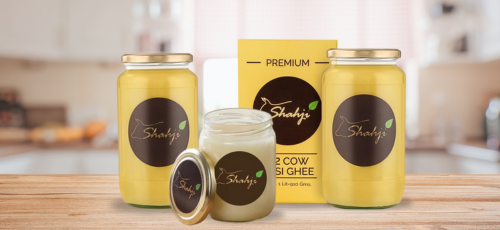
Brands with a strong heritage, like Shahji Ghee, build trust through generations of expertise and a commitment to these traditional practices. Exploring their range of Gir and Sahiwal cow ghee can be a great benchmark for premium quality. For wellness context, see the unique health benefits of cow ghee.
Frequently Asked Questions
Why is A2 ghee so expensive?
The high cost is due to the low milk yield of Indian cow breeds and the demanding, traditional bilona production method, which requires significantly more milk and labor per liter of ghee.
Is A2 ghee healthier than regular ghee?
The primary benefit is digestibility for those sensitive to the A1 protein found in regular milk. Additionally, A2 ghee from grass fed cows made with the bilona method may contain more antioxidants and healthy fats like Omega 3s.
How can I be sure my ghee is truly A2 and pure?
Choose reputable brands that are transparent about their sourcing (cow breed) and production methods. Look for FSSAI and organic certifications, read customer reviews, and perform simple purity tests at home. Brands that are proud of their process, like the family owned Shahji Ghee, often provide detailed information to build consumer confidence. Use this checklist for buying A2 desi ghee online to verify key details before you order.
What should I look for in lists of the top 10 A2 ghee brands?
When you see a “top 10” list, use it as a starting point. Evaluate the brands mentioned against the criteria in this guide: cow breed, production method, certifications, customer reviews, and value. The best cow ghee in India for you will be one that ticks all these boxes and fits your budget.
Choosing the best cow ghee in India is an investment in your health and culinary experience. Armed with this knowledge, you can confidently navigate the market and find a pure, delicious, and authentic product. Whether you’re drizzling it on a hot roti or using it to prepare a festive meal, the right ghee makes all the difference.
Related Articles

Best Desi Cow Ghee in India (2026): Top 5 A2 Bilona Picks

Best A2 Gir Cow Ghee in India: 2026 Buyer’s Guide

A2 Gir Ghee vs Regular Ghee: 2026 Differences & Benefits
A2 vs A1 Cow Ghee 2026: Key Differences & Benefits